Updated on 2026/07/28

写真a

 
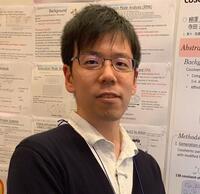
YANAGISAWA KEISUKE
 
Organization
School of Computing Associate Professor
Title
Associate Professor
External link

News & Topics

Research Interests

  • 構造バイオインフォマティクス

  • タンパク質-化合物 ドッキング計算

  • 創薬インフォマティクス

  • 量子アニーリング

  • 共溶媒分子動力学法

Research Areas

  • Informatics / Life, health and medical informatics  / computer-aided drug discovery

  • Informatics / Life, health and medical informatics  / bioinformatics

  • Informatics / Computational science  / Quantum Computing

Education

  • Tokyo Institute of Technology

    2016.4 - 2019.3

      More details

    Country: Japan

    researchmap

  • Tokyo Institute of Technology

    2014.4 - 2016.3

      More details

    Country: Japan

    researchmap

  • Tokyo Institute of Technology

    2010.4 - 2014.3

      More details

    Country: Japan

    researchmap

  • 東京都立青山高等学校

    2007.4 - 2010.3

      More details

    Country: Japan

    researchmap

Research History

  • Institute of Science Tokyo   School of Computing   Associate Professor

    2026.4

      More details

    Country:Japan

    researchmap

  • Institute of Science Tokyo   Department of Computer Science, School of Computing   Assistant Professor

    2024.10 - 2026.3

      More details

    Country:Japan

    researchmap

  • Tokyo Tech Innovation   Part-time Lecturer

    2020.9

      More details

    Country:Japan

    researchmap

  • Tokyo Institute of Technology   Department of Computer Science, School of Computing   Assistant Professor

    2020.4 - 2024.9

      More details

    Country:Japan

    researchmap

  • Tokyo Institute of Technology   Part-time Lecturer

    2019.11 - 2020.3

      More details

    Country:Japan

    researchmap

  • The University of Tokyo

    2019.4 - 2020.3

      More details

    Country:Japan

    researchmap

▼display all

Professional Memberships

Papers

  • QUBO Problem Formulation of Fragment-Based Protein–Ligand Flexible Docking Reviewed International journal

    Keisuke Yanagisawa, Takuya Fujie, Kazuki Takabatake, Yutaka Akiyama

    Entropy   26 ( 5 )   397 - 397   2024.4

     More details

    Authorship:Lead author, Corresponding author   Language:English   Publishing type:Research paper (scientific journal)   Publisher:MDPI AG  

    Protein–ligand docking plays a significant role in structure-based drug discovery. This methodology aims to estimate the binding mode and binding free energy between the drug-targeted protein and candidate chemical compounds, utilizing protein tertiary structure information. Reformulation of this docking as a quadratic unconstrained binary optimization (QUBO) problem to obtain solutions via quantum annealing has been attempted. However, previous studies did not consider the internal degrees of freedom of the compound that is mandatory and essential. In this study, we formulated fragment-based protein–ligand flexible docking, considering the internal degrees of freedom of the compound by focusing on fragments (rigid chemical substructures of compounds) as a QUBO problem. We introduced four factors essential for fragment–based docking in the Hamiltonian: (1) interaction energy between the target protein and each fragment, (2) clashes between fragments, (3) covalent bonds between fragments, and (4) the constraint that each fragment of the compound is selected for a single placement. We also implemented a proof-of-concept system and conducted redocking for the protein–compound complex structure of Aldose reductase (a drug target protein) using SQBM+, which is a simulated quantum annealer. The predicted binding pose reconstructed from the best solution was near-native (RMSD = 1.26 Å), which can be further improved (RMSD = 0.27 Å) using conventional energy minimization. The results indicate the validity of our QUBO problem formulation.

    DOI: 10.3390/e26050397

    PubMed

    researchmap

  • AAp-MSMD: Amino Acid Preference Mapping on Protein–Protein Interaction Surfaces Using Mixed-Solvent Molecular Dynamics Reviewed International journal

    Genki Kudo, Keisuke Yanagisawa, Ryunosuke Yoshino, Takatsugu Hirokawa

    Journal of Chemical Information and Modeling   63 ( 24 )   7768 - 7777   2023.12

     More details

    Authorship:Lead author   Language:English   Publishing type:Research paper (scientific journal)   Publisher:American Chemical Society (ACS)  

    Peptides have attracted much attention recently owing to their well-balanced properties as drugs against protein-protein interaction (PPI) surfaces. Molecular simulation-based predictions of binding sites and amino acid residues with high affinity to PPI surfaces are expected to accelerate the design of peptide drugs. Mixed-solvent molecular dynamics (MSMD), which adds probe molecules or fragments of functional groups as solutes to the hydration model, detects the binding hotspots and cryptic sites induced by small molecules. The detection results vary depending on the type of probe molecule; thus, they provide important information for drug design. For rational peptide drug design using MSMD, we proposed MSMD with amino acid residue probes, named amino acid probe-based MSMD (AAp-MSMD), to detect hotspots and identify favorable amino acid types on protein surfaces to which peptide drugs bind. We assessed our method in terms of hotspot detection at the amino acid probe level and binding free energy prediction with amino acid probes at the PPI site for the complex structure that formed the PPI. In hotspot detection, the max-spatial probability distribution map (max-PMAP) obtained from AAp-MSMD detected the PPI site, to which each type of amino acid can bind favorably. In the binding free energy prediction using amino acid probes, ΔGFE obtained from AAp-MSMD roughly estimated the experimental binding affinities from the structure-activity relationship. AAp-MSMD, with amino acid probes, provides estimated binding sites and favorable amino acid types at the PPI site of a target protein.

    DOI: 10.1021/acs.jcim.3c01677

    PubMed

    researchmap

  • Effective Protein–Ligand Docking Strategy via Fragment Reuse and a Proof-of-Concept Implementation Reviewed International journal

    Keisuke Yanagisawa, Rikuto Kubota, Yasushi Yoshikawa, Masahito Ohue, Yutaka Akiyama

    ACS Omega   7 ( 34 )   30265 - 30274   2022.8

     More details

    Authorship:Lead author   Language:English   Publishing type:Research paper (scientific journal)   Publisher:American Chemical Society (ACS)  

    Virtual screening is a commonly used process to search for feasible drug candidates from a huge number of compounds during the early stages of drug design. As the compound database continues to expand to billions of entries or more, there remains an urgent need to accelerate the process of docking calculations. Reuse of calculation results is a possible way to accelerate the process. In this study, we first propose yet another virtual screening-oriented docking strategy by combining three factors, namely, compound decomposition, simplified fragment grid storing k-best scores, and flexibility consideration with pregenerated conformers. Candidate compounds contain many common fragments (chemical substructures). Thus, the calculation results of these common fragments can be reused among them. As a proof-of-concept of the aforementioned strategies, we also conducted the development of REstretto, a tool that implements the three factors to enable the reuse of calculation results. We demonstrated that the speed and accuracy of REstretto were comparable to those of AutoDock Vina, a well-known free docking tool. The implementation of REstretto has much room for further performance improvement, and therefore, the results show the feasibility of the strategy. The code is available under an MIT license at https://github.com/akiyamalab/restretto.

    DOI: 10.1021/acsomega.2c03470

    PubMed

    researchmap

  • Protocol for Membrane Permeability Prediction of Cyclic Peptides Using Descriptors Obtained from Extended Ensemble Molecular Dynamics Simulations and Chemical Structures Reviewed International journal

    Masatake Sugita, Yudai Noso, Jianan Li, Takuya Fujie, Keisuke Yanagisawa, Yutaka Akiyama

    ACS Omega   11 ( 27 )   40628 - 40644   2026.6

     More details

    Language:English   Publishing type:Research paper (scientific journal)   Publisher:American Chemical Society (ACS)  

    Improving the membrane permeability is crucial in cyclic peptide drug discovery. Molecular dynamics (MD) simulations are widely used to analyze membrane permeability but are computationally expensive. Machine learning offers a low-cost alternative, but its performance is limited by the size of available experimental data sets and the difficulty of incorporating peptide-specific three-dimensional (3D) structural information. Although the 3D conformations of cyclic peptides are closely associated with membrane permeability, they are highly sensitive to subtle changes in the chemical structure. Therefore, we developed a machine learning protocol that combines 3D descriptors derived from conformations obtained by MD simulations with 2D descriptors derived from cyclic peptide chemical structures, aiming to improve generalizability while reducing the simulation cost relative to the direct MD-based permeability prediction. We targeted 252 peptides across four data sets and calculated 3D descriptors from peptide conformations sampled outside the membrane, at the water/membrane interface, and in the membrane using replica exchange with solute tempering/replica exchange umbrella sampling simulations with 16 replicas. For machine learning, six different algorithms were used, ranging from simple methods, such as ridge regression, to more sophisticated methods, such as XGBoost. The best prediction performance was obtained using XGBoost, with Pearson’s correlation coefficient R of 0.77 and a root-mean-square error (RMSE) of 0.62. Important descriptors included those related to peptide hydrophilicity/hydrophobicity, conformational differences between water and membrane environments, and peptide flexibility. We evaluated generalization performance using an external data set of 24 peptides that were not included in training and obtained R = 0.76 and RMSE = 1.14. Furthermore, in the leave-one-data-set-out tests, models using position-specific (PS) 3D and 2D descriptors achieved an average prediction accuracy of R = 0.61 and RMSE = 0.74, averaged over the four external test settings. These results show that reasonable prediction accuracy can be achieved for external data using a relatively small training data set by incorporating MD-derived 3D descriptors.

    DOI: 10.1101/2025.06.18.660352

    researchmap

  • COFFEE-PRESC: A Fast Prescreening Method Using Compound Retrieval by Pairwise Positional Relationship of Representative Fragments Reviewed International journal

    Masayoshi Shimizu, Satoshi Yoneyama, Keisuke Yanagisawa, Yutaka Akiyama

    Journal of Chemical Information and Modeling   66 ( 8 )   4672 - 4684   2026.4

     More details

    Language:English   Publishing type:Research paper (scientific journal)   Publisher:American Chemical Society (ACS)  

    Protein–ligand docking is one of the most widely used methods in structure-based virtual screening in the early stages of drug discovery. Its calculations require approximately 1 min per compound, making exhaustive evaluation of ultralarge libraries containing billions of molecules computationally impractical. In this study, we propose COFFEE-PRESC (COmpound Filtering by Fragment pair-based Efficient Evaluation for PRESCreening), a fast, fragment-based prescreening method. COFFEE-PRESC first docks fragments in a preconstructed fragment set to the target protein and enumerates multiple favorable protein-fragment docking poses and then pairs them to consider the pairwise positional relationship. The fragment set is composed of a small number of representative fragments that exhibit high similarity to many other fragments, enabling coverage of a large and diverse chemical space. Compounds that contain structures similar to fragment pairs are then retrieved through similarity-based searches. This retrieval methodology guarantees that the mutual positional relationship of the two matched fragments does not spatially collide. Finally, the retrieved compounds are evaluated using docking scores of the representative fragments and similarity values between the representative and individual fragments matched in the compound retrieval process. COFFEE-PRESC was 32-fold faster while achieving higher accuracy than Spresso, an existing prescreening tool, highlighting its potential for application to ultralarge compound library screening. The code is available under an MIT license at https://github.com/akiyamalab/coffee-presc.

    DOI: 10.1021/acs.jcim.5c03067

    researchmap

  • CrypToth: Cryptic Pocket Detection through Mixed-Solvent Molecular Dynamics Simulations-Based Topological Data Analysis Reviewed International journal

    Jun Koseki, Chie Motono, Keisuke Yanagisawa, Genki Kudo, Ryunosuke Yoshino, Takatsugu Hirokawa, Kenichiro Imai

    Journal of Chemical Information and Modeling   65 ( 11 )   5567 - 5575   2025.5

     More details

    Language:English   Publishing type:Research paper (scientific journal)   Publisher:American Chemical Society (ACS)  

    Some functional proteins undergo conformational changes to expose hidden binding sites when a binding molecule approaches their surface. Such binding sites are called cryptic sites and are important targets for drug discovery. However, it is still difficult to correctly predict cryptic sites. Therefore, we introduce an advanced method, CrypToth, for the precise identification of cryptic sites utilizing the topological data analysis such as persistent homology method. This method integrates topological data analysis and mixed-solvent molecular dynamics (MSMD) simulations. To identify hotspots corresponding to cryptic sites, we conducted MSMD simulations using six probes with different chemical properties: dimethyl ether, benzene, phenol, methyl imidazole, acetonitrile, and ethylene glycol. Subsequently, we applied our topological data analysis method to rank hotspots based on the possibility of harboring cryptic sites. Evaluation of CrypToth using nine target proteins containing well-defined cryptic sites revealed its superior performance compared with recent machine-learning methods. As a result, in seven of nine cases, hotspots associated with cryptic sites were ranked the highest. CrypToth can explore hotspots on the protein surface favorable to ligand binding using MSMD simulations with six different probes and then identify hotspots corresponding to cryptic sites by assessing the protein's conformational variability using the topological data analysis. This synergistic approach facilitates the prediction of cryptic sites with a high accuracy.

    DOI: 10.1021/acs.jcim.4c02111

    PubMed

    researchmap

  • CrypTothML: An Integrated Mixed-Solvent Molecular Dynamics Simulation and Machine Learning Approach for Cryptic Site Prediction Reviewed International journal

    Chie Motono, Keisuke Yanagisawa, Jun Koseki, Kenichiro Imai

    International Journal of Molecular Sciences   26 ( 10 )   4710 - 4710   2025.5

     More details

    Language:English   Publishing type:Research paper (scientific journal)   Publisher:MDPI AG  

    Cryptic sites, which are transient binding sites that emerge through protein conformational changes upon ligand binding, are valuable targets for drug discovery, particularly for allosteric modulators. However, identifying these sites remains challenging because they are often discovered serendipitously when both ligand-binding (holo) and ligand-free (apo) states are experimentally determined. Here, we introduce CrypTothML, a novel framework that integrates mixed-solvent molecular dynamics (MSMD) simulations and machine learning to predict cryptic sites accurately. CrypTothML first identifies hotspots through MSMD simulations using six chemically diverse probes (benzene, dimethyl-ether, phenol, methyl-imidazole, acetonitrile, and ethylene glycol). A machine learning model then ranks these hotspots based on their likelihood of being cryptic sites, incorporating both hotspot-derived and protein-specific features. Evaluation on a curated dataset demonstrated that CrypTothML outperforms recent machine learning-based methods, achieving an AUC-ROC of 0.88 and successfully identifying cryptic sites missed by other methods. Additionally, CrypTothML ranked cryptic sites as the top prediction more frequently than existing methods. This approach provides a powerful strategy for accelerating drug discovery and designing allosteric drugs.

    DOI: 10.3390/ijms26104710

    PubMed

    researchmap

  • CycPeptMP: enhancing membrane permeability prediction of cyclic peptides with multi-level molecular features and data augmentation Reviewed International journal

    Jianan Li, Keisuke Yanagisawa, Yutaka Akiyama

    Briefings in Bioinformatics   25 ( 5 )   bbae417 - bbae417   2024.7

     More details

    Language:English   Publishing type:Research paper (scientific journal)   Publisher:Oxford University Press (OUP)  

    Abstract

    Cyclic peptides are versatile therapeutic agents that boast high binding affinity, minimal toxicity, and the potential to engage challenging protein targets. However, the pharmaceutical utility of cyclic peptides is limited by their low membrane permeability—an essential indicator of oral bioavailability and intracellular targeting. Current machine learning-based models of cyclic peptide permeability show variable performance owing to the limitations of experimental data. Furthermore, these methods use features derived from the whole molecule that have traditionally been used to predict small molecules and ignore the unique structural properties of cyclic peptides. This study presents CycPeptMP: an accurate and efficient method to predict cyclic peptide membrane permeability. We designed features for cyclic peptides at the atom-, monomer-, and peptide-levels and seamlessly integrated these into a fusion model using deep learning technology. Additionally, we applied various data augmentation techniques to enhance model training efficiency using the latest data. The fusion model exhibited excellent prediction performance for the logarithm of permeability, with a mean absolute error of $0.355$ and correlation coefficient of $0.883$. Ablation studies demonstrated that all feature levels contributed and were relatively essential to predicting membrane permeability, confirming the effectiveness of augmentation to improve prediction accuracy. A comparison with a molecular dynamics-based method showed that CycPeptMP accurately predicted peptide permeability, which is otherwise difficult to predict using simulations.

    DOI: 10.1093/bib/bbae417

    PubMed

    researchmap

  • CycPeptMPDB: A Comprehensive Database of Membrane Permeability of Cyclic Peptides Reviewed

    Jianan Li, Keisuke Yanagisawa, Masatake Sugita, Takuya Fujie, Masahito Ohue, Yutaka Akiyama

    Journal of Chemical Information and Modeling   63 ( 7 )   2240 - 2250   2023.3

     More details

    Language:English   Publisher:American Chemical Society (ACS)  

    DOI: 10.1021/acs.jcim.2c01573

    PubMed

    J-GLOBAL

    researchmap

  • Lipid Composition Is Critical for Accurate Membrane Permeability Prediction of Cyclic Peptides by Molecular Dynamics Simulations Reviewed International journal

    Masatake Sugita, Takuya Fujie, Keisuke Yanagisawa, Masahito Ohue, Yutaka Akiyama

    Journal of Chemical Information and Modeling   62 ( 18 )   4549 - 4560   2022.9

     More details

    Language:English   Publishing type:Research paper (scientific journal)   Publisher:American Chemical Society (ACS)  

    Cyclic peptides have attracted attention as a promising pharmaceutical modality due to their potential to selectively inhibit previously undruggable targets, such as intracellular protein-protein interactions. Poor membrane permeability is the biggest bottleneck hindering successful drug discovery based on cyclic peptides. Therefore, the development of computational methods that can predict membrane permeability and support elucidation of the membrane permeation mechanism of drug candidate peptides is much sought after. In this study, we developed a protocol to simulate the behavior in membrane permeation steps and estimate the membrane permeability of large cyclic peptides with more than or equal to 10 residues. This protocol requires the use of a more realistic membrane model than a single-lipid phospholipid bilayer. To select a membrane model, we first analyzed the effect of cholesterol concentration in the model membrane on the potential of mean force and hydrogen bonding networks along the direction perpendicular to the membrane surface as predicted by molecular dynamics simulations using cyclosporine A. These results suggest that a membrane model with 40 or 50 mol % cholesterol was suitable for predicting the permeation process. Subsequently, two types of membrane models containing 1-palmitoyl-2-oleoyl-sn-glycero-3-phosphocholine and 40 and 50 mol % cholesterol were used. To validate the efficiency of our protocol, the membrane permeability of 18 ten-residue peptides was predicted. Correlation coefficients of R > 0.8 between the experimental and calculated permeability values were obtained with both model membranes. The results of this study demonstrate that the lipid membrane is not just a medium but also among the main factors determining the membrane permeability of molecules. The computational protocol proposed in this study and the findings obtained on the effect of membrane model composition will contribute to building a schematic view of the membrane permeation process. Furthermore, the results of this study will eventually aid the elucidation of design rules for peptide drugs with high membrane permeability.

    DOI: 10.1021/acs.jcim.2c00931

    PubMed

    researchmap

  • Inverse Mixed-Solvent Molecular Dynamics for Visualization of the Residue Interaction Profile of Molecular Probes Reviewed International journal

    Keisuke Yanagisawa, Ryunosuke Yoshino, Genki Kudo, Takatsugu Hirokawa

    International Journal of Molecular Sciences   23 ( 9 )   4749 - 4749   2022.4

     More details

    Authorship:Lead author   Language:English   Publishing type:Research paper (scientific journal)   Publisher:MDPI AG  

    To ensure efficiency in discovery and development, the application of computational technology is essential. Although virtual screening techniques are widely applied in the early stages of drug discovery research, the computational methods used in lead optimization to improve activity and reduce the toxicity of compounds are still evolving. In this study, we propose a method to construct the residue interaction profile of the chemical structure used in the lead optimization by performing “inverse” mixed-solvent molecular dynamics (MSMD) simulation. Contrary to constructing a protein-based, atom interaction profile, we constructed a probe-based, protein residue interaction profile using MSMD trajectories. It provides us the profile of the preferred protein environments of probes without co-crystallized structures. We assessed the method using three probes: benzamidine, catechol, and benzene. As a result, the residue interaction profile of each probe obtained by MSMD was a reasonable physicochemical description of the general non-covalent interaction. Moreover, comparison with the X-ray structure containing each probe as a ligand shows that the map of the interaction profile matches the arrangement of amino acid residues in the X-ray structure.

    DOI: 10.3390/ijms23094749

    PubMed

    researchmap

  • Solving Generalized Polyomino Puzzles Using the Ising Model Reviewed International journal

    Kazuki Takabatake, Keisuke Yanagisawa, Yutaka Akiyama

    Entropy   24 ( 3 )   354 - 354   2022.2

     More details

    Language:English   Publishing type:Research paper (scientific journal)   Publisher:MDPI AG  

    In the polyomino puzzle, the aim is to fill a finite space using several polyomino pieces with no overlaps or blanks. Because it is an NP-complete combinatorial optimization problem, various probabilistic and approximated approaches have been applied to find solutions. Several previous studies embedded the polyomino puzzle in a QUBO problem, where the original objective function and constraints are transformed into the Hamiltonian function of the simulated Ising model. A solution to the puzzle is obtained by searching for a ground state of Hamiltonian by simulating the dynamics of the multiple-spin system. However, previous methods could solve only tiny polyomino puzzles considering a few combinations because their Hamiltonian designs were not efficient. We propose an improved Hamiltonian design that introduces new constraints and guiding terms to weakly encourage favorable spins and pairs in the early stages of computation. The proposed model solves the pentomino puzzle represented by approximately 2000 spins with >90% probability. Additionally, we extended the method to a generalized problem where each polyomino piece could be used zero or more times and solved it with approximately 100% probability. The proposed method also appeared to be effective for the 3D polycube puzzle, which is similar to applications in fragment-based drug discovery.

    DOI: 10.3390/e24030354

    PubMed

    researchmap

  • Plasma protein binding prediction focusing on residue-level features and circularity of cyclic peptides by deep learning Reviewed International journal

    Jianan Li, Keisuke Yanagisawa, Yasushi Yoshikawa, Masahito Ohue, Yutaka Akiyama

    Bioinformatics   38 ( 4 )   1110 - 1117   2021.11

     More details

    Language:English   Publishing type:Research paper (scientific journal)   Publisher:Oxford University Press (OUP)  

    Abstract

    Motivation

    In recent years, cyclic peptide drugs have been receiving increasing attention because they can target proteins that are difficult to be tackled by conventional small-molecule drugs or antibody drugs. Plasma protein binding rate (%PPB) is a significant pharmacokinetic property of a compound in drug discovery and design. However, due to structural differences, previous computational prediction methods developed for small-molecule compounds cannot be successfully applied to cyclic peptides, and methods for predicting the PPB rate of cyclic peptides with high accuracy are not yet available.

    Results

    Cyclic peptides are larger than small molecules, and their local structures have a considerable impact on PPB; thus, molecular descriptors expressing residue-level local features of cyclic peptides, instead of those expressing the entire molecule, as well as the circularity of the cyclic peptides should be considered. Therefore, we developed a prediction method named CycPeptPPB using deep learning that considers both factors. First, the macrocycle ring of cyclic peptides was decomposed residue by residue. The residue-based descriptors were arranged according to the sequence information of the cyclic peptide. Furthermore, the circular data augmentation method was used, and the circular convolution method CyclicConv was devised to express the cyclic structure. CycPeptPPB exhibited excellent performance, with mean absolute error (MAE) of 4.79% and correlation coefficient (R) of 0.92 for the public drug dataset, compared to the prediction performance of the existing PPB rate prediction software (MAE=15.08%, R=0.63).

    Availability and implementation

    The data underlying this article are available in the online supplementary material. The source code of CycPeptPPB is available at https://github.com/akiyamalab/cycpeptppb.

    Supplementary information

    Supplementary data are available at Bioinformatics online.

    DOI: 10.1093/bioinformatics/btab726

    PubMed

    researchmap

    Other Link: https://academic.oup.com/bioinformatics/article-pdf/38/4/1110/49008780/btab726.pdf

  • Virtual Screening Methods with a Protein Tertiary Structure for Drug Discovery Reviewed

    Keisuke Yanagisawa

    JSBi Bioinformatics Review   2 ( 1 )   76 - 86   2021.10

     More details

    Language:Japanese   Publishing type:Research paper (scientific journal)  

    DOI: 10.11234/jsbibr.2021.9

    J-GLOBAL

    researchmap

  • Improved Large-Scale Homology Search by Two-Step Seed Search Using Multiple Reduced Amino Acid Alphabets Reviewed International journal

    Kazuki Takabatake, Kazuki Izawa, Motohiro Akikawa, Keisuke Yanagisawa, Masahito Ohue, Yutaka Akiyama

    Genes   12 ( 9 )   1455 - 1455   2021.9

     More details

    Language:English   Publishing type:Research paper (scientific journal)  

    DOI: 10.3390/genes12091455

    Web of Science

    PubMed

    researchmap

  • Large-Scale Membrane Permeability Prediction of Cyclic Peptides Crossing a Lipid Bilayer Based on Enhanced Sampling Molecular Dynamics Simulations Reviewed International journal

    Masatake Sugita, Satoshi Sugiyama, Takuya Fujie, Yasushi Yoshikawa, Keisuke Yanagisawa, Masahito Ohue, Yutaka Akiyama

    Journal of Chemical Information and Modeling   61 ( 7 )   3681 - 3695   2021.7

     More details

    Language:English   Publisher:American Chemical Society (ACS)  

    Membrane permeability is a significant obstacle facing the development of cyclic peptide drugs. However, membrane permeation mechanisms are poorly understood. To investigate common features of permeable (and nonpermeable) designs, it is necessary to reproduce the membrane permeation process of cyclic peptides through the lipid bilayer. We simulated the membrane permeation process of 100 six-residue cyclic peptides across the lipid bilayer based on steered molecular dynamics (MD) and replica-exchange umbrella sampling simulations and predicted membrane permeability using the inhomogeneous solubility-diffusion model and a modified version of it. Furthermore, we confirmed the effectiveness of this protocol by predicting the membrane permeability of 56 eight-residue cyclic peptides with diverse chemical structures, including some confidential designs from a pharmaceutical company. As a result, a reasonable correlation between experimentally assessed and calculated membrane permeability of cyclic peptides was observed for the peptide libraries, except for strongly hydrophobic peptides. Our analysis of the MD trajectory demonstrated that most peptides were stabilized in the boundary region between bulk water and membrane and that for most peptides, the process of crossing the center of the membrane is the main obstacle to membrane permeation. The height of this barrier is well correlated with the electrostatic interaction between the peptide and the surrounding media. The structural and energetic features of the representative peptide at each vertical position within the membrane were also analyzed, revealing that peptides permeate the membrane by changing their orientation and conformation according to the surrounding environment.

    DOI: 10.1021/acs.jcim.1c00380

    PubMed

    J-GLOBAL

    researchmap

  • Antisense oligonucleotide activity analysis based on opening and binding energies to targets Reviewed International journal

    Kazuya Isawa, Keisuke Yanagisawa, Masahito Ohue, Yutaka Akiyama

    Proceedings of The 27th International Conference on Parallel & Distributed Processing Techniques and Applications (PDPTA’21)   2021 ( MPS-134 )   2021.7

     More details

    Language:English  

    J-GLOBAL

    researchmap

  • EXPRORER: Rational Cosolvent Set Construction Method for Cosolvent Molecular Dynamics Using Large-Scale Computation Reviewed International journal

    Keisuke Yanagisawa, Yoshitaka Moriwaki, Tohru Terada, Kentaro Shimizu

    Journal of Chemical Information and Modeling   61 ( 6 )   2744 - 2753   2021.6

     More details

    Authorship:Lead author, Corresponding author   Language:English   Publishing type:Research paper (scientific journal)   Publisher:American Chemical Society (ACS)  

    Cosolvent molecular dynamics (CMD) simulations involve an MD simulation of a protein in the presence of explicit water molecules mixed with cosolvent molecules to perform hotspot detection, binding site identification, and binding energy estimation, while other existing methods (e.g., MixMD, SILCS, and MDmix) utilize small molecules that represent functional groups of compounds. However, the cosolvent selections employed in these methods differ and there are only a few cosolvents that are commonly used in these methods. In this study, we proposed a systematic method for constructing a set of cosolvents for drug discovery, termed the EXtended PRObes set construction by REpresentative Retrieval (EXPRORER). First, we extracted typical substructures from FDA-approved drugs, generated 138 cosolvent structures, and for each cosolvent molecule, we conducted CMD simulations to generate a spatial probability distribution map of cosolvent atoms (PMAP). Analyses of PMAP similarity revealed that a cosolvent pair with a PMAP similarity greater than 0.70-0.75 shared similar structural features. We present a method for the construction of a cosolvent subset that satisfies a similarity threshold for all cosolvents, and we tested the constructed sets for four proteins. To our knowledge, this is the first study to include a systematic proposal for cosolvent set construction, and thus, the EXPRORER cosolvents will provide deeper insights into ligand binding sites of various proteins.

    DOI: 10.1021/acs.jcim.1c00134

    PubMed

    researchmap

  • Molecular activity prediction using graph convolutional deep neural network considering distance on a molecular graph. Reviewed

    Masahito Ohue, Ryota Ii, Keisuke Yanagisawa, Yutaka Akiyama

    Proceedings of the 2019 International Conference on Parallel and Distributed Processing Techniques & Applications (PDPTA'19)   2019 ( BIO-57 )   122 - 128   2019.7

  • Computational prediction of plasma protein binding of cyclic peptides from small molecule experimental data using sparse modeling techniques Reviewed International journal

    Takashi Tajimi, Naoki Wakui, Keisuke Yanagisawa, Yasushi Yoshikawa, Masahito Ohue, Yutaka Akiyama

    BMC Bioinformatics   19 ( 19 )   527 - 527   2018.12

     More details

    Language:English   Publishing type:Research paper (scientific journal)   Publisher:Springer Science and Business Media LLC  

    BACKGROUND: Cyclic peptide-based drug discovery is attracting increasing interest owing to its potential to avoid target protein depletion. In drug discovery, it is important to maintain the biostability of a drug within the proper range. Plasma protein binding (PPB) is the most important index of biostability, and developing a computational method to predict PPB of drug candidate compounds contributes to the acceleration of drug discovery research. PPB prediction of small molecule drug compounds using machine learning has been conducted thus far; however, no study has investigated cyclic peptides because experimental information of cyclic peptides is scarce. RESULTS: First, we adopted sparse modeling and small molecule information to construct a PPB prediction model for cyclic peptides. As cyclic peptide data are limited, applying multidimensional nonlinear models involves concerns regarding overfitting. However, models constructed by sparse modeling can avoid overfitting, offering high generalization performance and interpretability. More than 1000 PPB data of small molecules are available, and we used them to construct a prediction models with two enumeration methods: enumerating lasso solutions (ELS) and forward beam search (FBS). The accuracies of the prediction models constructed by ELS and FBS were equal to or better than those of conventional non-linear models (MAE = 0.167-0.174) on cross-validation of a small molecule compound dataset. Moreover, we showed that the prediction accuracies for cyclic peptides were close to those for small molecule compounds (MAE = 0.194-0.288). Such high accuracy could not be obtained by a simple method of learning from cyclic peptide data directly by lasso regression (MAE = 0.286-0.671) or ridge regression (MAE = 0.244-0.354). CONCLUSION: In this study, we proposed a machine learning techniques that uses low-dimensional sparse modeling to predict the PPB value of cyclic peptides computationally. The low-dimensional sparse model not only exhibits excellent generalization performance but also improves interpretation of the prediction model. This can provide common an noteworthy knowledge for future cyclic peptide drug discovery studies.

    DOI: 10.1186/s12859-018-2529-z

    PubMed

    researchmap

    Other Link: http://link.springer.com/article/10.1186/s12859-018-2529-z/fulltext.html

  • QEX: target-specific druglikeness filter enhances ligand-based virtual screening Reviewed International journal

    Masahiro Mochizuki, Shogo D. Suzuki, Keisuke Yanagisawa, Masahito Ohue, Yutaka Akiyama

    Molecular Diversity   23 ( 1 )   11 - 18   2018.7

     More details

    Language:English   Publishing type:Research paper (scientific journal)   Publisher:Springer Science and Business Media LLC  

    Druglikeness is a useful concept for screening drug candidate compounds. We developed QEX, which is a new druglikeness index specific to individual targets. QEX is an improvement of the quantitative estimate of druglikeness (QED) method, which is a popular quantitative evaluation method of druglikeness proposed by Bickerton et al. QEX models the physicochemical properties of compounds that act on each target protein based on the concept of QED modeling physicochemical properties from information on US Food and Drug Administration-approved drugs. The result of the evaluation of PubChem assay data revealed that QEX showed better performance than the original QED did (the area under the curve value of the receiver operating characteristic curve improved by 0.069-0.236). We also present the c-Src inhibitor filtering results of the QEX constructed using Src family kinase inhibitors as a case study. QEX distinguished the inhibitors and non-inhibitors better than QED did. QEX works efficiently even when datasets of inactive compounds are unavailable. If both active and inactive compounds are present, QEX can be used as an initial filter to enhance the screening ability of conventional ligand-based virtual screenings.

    DOI: 10.1007/s11030-018-9842-3

    PubMed

    researchmap

    Other Link: http://link.springer.com/content/pdf/10.1007/s11030-018-9842-3.pdf

  • Optimization of memory use of fragment extension-based protein–ligand docking with an original fast minimum cost flow algorithm Reviewed International journal

    Keisuke Yanagisawa, Shunta Komine, Rikuto Kubota, Masahito Ohue, Yutaka Akiyama

    Computational Biology and Chemistry   74   399 - 406   2018.6

     More details

    Language:English   Publishing type:Research paper (scientific journal)   Publisher:Elsevier BV  

    The need to accelerate large-scale protein-ligand docking in virtual screening against a huge compound database led researchers to propose a strategy that entails memorizing the evaluation result of the partial structure of a compound and reusing it to evaluate other compounds. However, the previous method required frequent disk accesses, resulting in insufficient acceleration. Thus, more efficient memory usage can be expected to lead to further acceleration, and optimal memory usage could be achieved by solving the minimum cost flow problem. In this research, we propose a fast algorithm for the minimum cost flow problem utilizing the characteristics of the graph generated for this problem as constraints. The proposed algorithm, which optimized memory usage, was approximately seven times faster compared to existing minimum cost flow algorithms.

    DOI: 10.1016/j.compbiolchem.2018.03.013

    PubMed

    researchmap

    Other Link: https://dblp.uni-trier.de/db/journals/candc/candc74.html#YanagisawaKKOA18

  • MEGADOCK-Web: an integrated database of high-throughput structure-based protein-protein interaction predictions Reviewed International journal

    Takanori Hayashi, Yuri Matsuzaki, Keisuke Yanagisawa, Masahito Ohue, Yutaka Akiyama

    BMC Bioinformatics   19 ( 4 )   62 - 72   2018.5

     More details

    Language:English   Publishing type:Research paper (scientific journal)   Publisher:Springer Science and Business Media LLC  

    DOI: 10.1186/s12859-018-2073-x

    Scopus

    PubMed

    researchmap

  • An iterative compound screening contest method for identifying target protein inhibitors using the tyrosine-protein kinase Yes Reviewed International journal

    Shuntaro Chiba, Takashi Ishida, Kazuyoshi Ikeda, Masahiro Mochizuki, Reiji Teramoto, Y-h. Taguchi, Mitsuo Iwadate, Hideaki Umeyama, Chandrasekaran Ramakrishnan, A. Mary Thangakani, D. Velmurugan, M. Michael Gromiha, Tatsuya Okuno, Koya Kato, Shintaro Minami, George Chikenji, Shogo D. Suzuki, Keisuke Yanagisawa, Woong-Hee Shin, Daisuke Kihara, Kazuki Z. Yamamoto, Yoshitaka Moriwaki, Nobuaki Yasuo, Ryunosuke Yoshino, Sergey Zozulya, Petro Borysko, Roman Stavniichuk, Teruki Honma, Takatsugu Hirokawa, Yutaka Akiyama, Masakazu Sekijima

    Scientific Reports   7 ( 1 )   12038 - 12038   2017.9

     More details

    Language:English   Publishing type:Research paper (scientific journal)   Publisher:Springer Science and Business Media LLC  

    Abstract

    We propose a new iterative screening contest method to identify target protein inhibitors. After conducting a compound screening contest in 2014, we report results acquired from a contest held in 2015 in this study. Our aims were to identify target enzyme inhibitors and to benchmark a variety of computer-aided drug discovery methods under identical experimental conditions. In both contests, we employed the tyrosine-protein kinase Yes as an example target protein. Participating groups virtually screened possible inhibitors from a library containing 2.4 million compounds. Compounds were ranked based on functional scores obtained using their respective methods, and the top 181 compounds from each group were selected. Our results from the 2015 contest show an improved hit rate when compared to results from the 2014 contest. In addition, we have successfully identified a statistically-warranted method for identifying target inhibitors. Quantitative analysis of the most successful method gave additional insights into important characteristics of the method used.

    DOI: 10.1038/s41598-017-10275-4

    PubMed

    researchmap

  • Spresso: an ultrafast compound pre-screening method based on compound decomposition Reviewed International journal

    Keisuke Yanagisawa, Shunta Komine, Shogo D Suzuki, Masahito Ohue, Takashi Ishida, Yutaka Akiyama

    Bioinformatics   33 ( 23 )   3836 - 3843   2017.3

     More details

    Authorship:Lead author   Language:English   Publishing type:Research paper (scientific journal)   Publisher:Oxford University Press (OUP)  

    Abstract

    Motivation

    Recently, the number of available protein tertiary structures and compounds has increased. However, structure-based virtual screening is computationally expensive owing to docking simulations. Thus, methods that filter out obviously unnecessary compounds prior to computationally expensive docking simulations have been proposed. However, the calculation speed of these methods is not fast enough to evaluate ≥ 10 million compounds.

    Results

    In this article, we propose a novel, docking-based pre-screening protocol named Spresso (Speedy PRE-Screening method with Segmented cOmpounds). Partial structures (fragments) are common among many compounds; therefore, the number of fragment variations needed for evaluation is smaller than that of compounds. Our method increases calculation speeds by ∼200-fold compared to conventional methods.

    Availability and Implementation

    Spresso is written in C ++ and Python, and is available as an open-source code (http://www.bi.cs.titech.ac.jp/spresso/) under the GPLv3 license.

    Supplementary information

    Supplementary data are available at Bioinformatics online.

    DOI: 10.1093/bioinformatics/btx178

    PubMed

    researchmap

  • Identification of potential inhibitors based on compound proposal contest: Tyrosine-protein kinase Yes as a target Reviewed International journal

    Shuntaro Chiba, Kazuyoshi Ikeda, Takashi Ishida, M. Michael Gromiha, Y-h. Taguchi, Mitsuo Iwadate, Hideaki Umeyama, Kun-Yi Hsin, Hiroaki Kitano, Kazuki Yamamoto, Nobuyoshi Sugaya, Koya Kato, Tatsuya Okuno, George Chikenji, Masahiro Mochizuki, Nobuaki Yasuo, Ryunosuke Yoshino, Keisuke Yanagisawa, Tomohiro Ban, Reiji Teramoto, Chandrasekaran Ramakrishnan, A. Mary Thangakani, D. Velmurugan, Philip Prathipati, Junichi Ito, Yuko Tsuchiya, Kenji Mizuguchi, Teruki Honma, Takatsugu Hirokawa, Yutaka Akiyama, Masakazu Sekijima

    Scientific Reports   5 ( August )   17209 - 17209   2015.11

     More details

    Language:English   Publishing type:Research paper (scientific journal)   Publisher:Springer Science and Business Media LLC  

    Abstract

    A search of broader range of chemical space is important for drug discovery. Different methods of computer-aided drug discovery (CADD) are known to propose compounds in different chemical spaces as hit molecules for the same target protein. This study aimed at using multiple CADD methods through open innovation to achieve a level of hit molecule diversity that is not achievable with any particular single method. We held a compound proposal contest, in which multiple research groups participated and predicted inhibitors of tyrosine-protein kinase Yes. This showed whether collective knowledge based on individual approaches helped to obtain hit compounds from a broad range of chemical space and whether the contest-based approach was effective.

    DOI: 10.1038/srep17209

    PubMed

    researchmap

  • Drug Clearance Pathway Prediction Based on Semi-supervised Learning Reviewed

    Keisuke Yanagisawa, Takashi Ishida, Yutaka Akiyama

    IPSJ Transactions on Bioinformatics   8   21 - 27   2015.8

     More details

    Authorship:Lead author   Language:English   Publishing type:Research paper (scientific journal)   Publisher:Information Processing Society of Japan  

    DOI: 10.2197/ipsjtbio.8.21

    J-GLOBAL

    researchmap

▼display all

Books

  • インシリコ創薬 : 計算創薬の基礎から実例まで

    田中, 成典, 広川, 貴次, 池口, 満徳(第10章「タンパク質立体構造を用いたドッキング計算」)

    森北出版  2025.3  ( ISBN:9784627261914

     More details

    Total pages:viii, 244p, 図版8p(ページ付なし)   Language:Japanese  

    CiNii Books

    researchmap

  • データサイエンスと機械学習 : 理論からPythonによる実装まで

    Kroese, Dirk P., Botev, Zdravko I., Taimre, Thomas, Vaisman, Radislav, 金森, 敬文(第8章「決定木とアンサンブル法」)

    東京化学同人  2022.12  ( ISBN:9784807920297

     More details

    Total pages:xxi, 390p   Language:Japanese  

    CiNii Books

    researchmap

MISC

  • Construction of Representative Fragment Sets for Virtual Screening Based on 3D Structural and Docking Score Similarity

    Satoshi Yoneyama, Keisuke Yanagisawa, Yutaka Akiyama

    IPSJ SIG Technical Report   2026-BIO-85 ( 37 )   1 - 8   2026.7

     More details

    Publishing type:Research paper, summary (national, other academic conference)  

    researchmap

  • Iterative Adaptive Construction of QUBO Subproblems for Combinatorial Optimization in Fragment-Based Protein-Ligand Docking

    Ryoya Nakano, Keisuke Yanagisawa, Yutaka Akiyama

    IPSJ SIG Technical Report   2026-BIO-85 ( 38 )   1 - 8   2026.7

     More details

    Publishing type:Research paper, summary (national, other academic conference)  

    researchmap

  • COFFEE-PRESC: A pre-screening method using compound retrieval by promising fragment pairs

    清水正義, 米山慧, 柳澤渓甫, 秋山泰

    情報処理学会研究報告(Web)   2026 ( BIO-84 )   2026

  • Frasco-VS: Quantum Annealing for Fragment-based Drug Candidate Screening

    柳澤渓甫, 藤江拓哉, 高畠和輝, 秋山泰

    情報処理学会研究報告(Web)   2026 ( HPC-203 )   2026

  • Compound Substructure Profiling by Inverse MSMD and Its Application to Binding Affinity Prediction

    柳澤渓甫, 柳澤渓甫, 吉野龍ノ介, 吉野龍ノ介, 工藤玄己, 広川貴次, 広川貴次

    情報処理学会研究報告(Web)   2026 ( BIO-84 )   2026

  • Development of an Automatic Parameter Tuning Method for REST/REUS Molecular Dynamics

    清水正浩, 杉田昌岳, 杉田昌岳, 柳澤渓甫, 柳澤渓甫, 秋山泰, 秋山泰

    情報処理学会研究報告(Web)   2026 ( BIO-84 )   2026

  • Enhancing virtual screening accuracy by improving scoring of docking calculations using mixed-solvent molecular dynamics

    赤木果歩, 柳澤渓甫, 秋山泰

    情報処理学会研究報告(Web)   2026 ( BIO-84 )   2026

  • 生成AI時代における教育が導く未来 -東京科学大学データサイエンス・AI全学教育機構シンポジウム2025-

    柳澤,渓甫

    情報処理   66 ( 9 )   426 - 427   2025.8

     More details

    Authorship:Lead author, Last author, Corresponding author   Language:Japanese   Publishing type:Meeting report   Publisher:情報処理学会  

    DOI: 10.20729/0002003560

    CiNii Books

    CiNii Research

    researchmap

  • Development of a replica parameter optimization method for REUS MD and its application to membrane permeability prediction of cyclic peptides

    Masahiro Shimizu, Masatake Sugita, Keisuke Yanagisawa, Yutaka Akiyama

    情報処理学会研究報告(Web)   2025-BIO-82 ( MPS-153 )   45   2025.6

     More details

    Language:Japanese   Publishing type:Research paper, summary (national, other academic conference)  

    J-GLOBAL

    researchmap

  • Selection of Representative Fragment Sets for Fragment-Based Virtual Screening Focusing on 3D Structural Similarity

    Satoshi Yoneyama, Keisuke Yanagisawa, Yutaka Akiyama

    情報処理学会研究報告(Web)   2025-BIO-82 ( MPS-153 )   2025.6

     More details

    Language:Japanese   Publishing type:Research paper, summary (national, other academic conference)  

    J-GLOBAL

    researchmap

  • Probe atom distributions obtained from mixed-solvent molecular dynamics improves scoring of docking calculations

    Kaho Akaki, Keisuke Yanagisawa, Yutaka Akiyama

    情報処理学会研究報告(Web)   2025-BIO-82 ( MPS-153 )   43   2025.6

     More details

    Language:Japanese   Publishing type:Research paper, summary (national, other academic conference)  

    J-GLOBAL

    researchmap

  • Application of the Ising model to fragment-based protein-ligand docking

    Ryoya Nakano, Keisuke Yanagisawa, Yutaka Akiyama

    情報処理学会研究報告(Web)   2025-BIO-82 ( MPS-153 )   2025.6

     More details

    Language:Japanese   Publishing type:Research paper, summary (national, other academic conference)  

    J-GLOBAL

    researchmap

  • フラグメントの類似性を考慮した化合物立体配座検索システムの構築

    齋藤那哉, 清水正義, 柳澤渓甫, 秋山泰

    情報処理学会研究報告   2025-BIO-81 ( BIO-81 )   12   2025.2

     More details

    Language:Japanese   Publishing type:Research paper, summary (national, other academic conference)   Publisher:情報処理学会  

    J-GLOBAL

    researchmap

  • REUS MDのレプリカパラメータ最適化手法の開発と環状ペプチド膜透過性予測への応用

    清水正浩, 杉田昌岳, 杉田昌岳, 柳澤渓甫, 柳澤渓甫, 秋山泰, 秋山泰

    日本蛋白質科学会年会(Web)   25th   2025

  • 環状ペプチドの膜透過過程のMarkov state Modelに基づいた速度論的な解析

    寺倉慶, 杉田昌岳, 杉田昌岳, 藤江拓哉, 藤江拓哉, 柳澤渓甫, 柳澤渓甫, 秋山泰, 秋山泰

    日本蛋白質科学会年会(Web)   25th   2025

  • 共溶媒分子動力学法におけるプローブ原子分布を活用したドッキング計算のスコアリングの改良

    赤木果歩, 柳澤渓甫, 柳澤渓甫, 秋山泰, 秋山泰

    日本蛋白質科学会年会(Web)   25th   2025

  • 分子動力学シミュレーションと機械学習を組み合わせた環状ペプチド膜透過性の予測法の開発

    杉田昌岳, 杉田昌岳, 能祖雄大, 李佳男, 藤江拓哉, 藤江拓哉, 柳澤渓甫, 柳澤渓甫, 秋山泰, 秋山泰

    日本蛋白質科学会年会(Web)   25th   2025

  • CrypTothML:共溶媒分子動力学計算と機械学習を組み合わせたクリプティックサイト予測手法

    本野千恵, 本野千恵, 柳澤渓甫, 柳澤渓甫, 小関準, 今井賢一郎, 今井賢一郎

    日本蛋白質科学会年会(Web)   25th   2025

  • Acquisition of Bias Information for Protein-Ligand Docking by Mixed-Solvent Molecular Dynamics

    Kaho Akaki, Keisuke Yanagisawa, Yutaka Akiyama

    情報処理学会研究報告(Web)   2024-BIO-78 ( MPS-148 )   37   2024.6

     More details

    Language:Japanese   Publishing type:Research paper, summary (national, other academic conference)  

    J-GLOBAL

    researchmap

  • Development of a compound pre-screening method based on spatial arrangement of promising fragment pairs

    Masayoshi Shimizu, Keisuke Yanagisawa, Yutaka Akiyama

    情報処理学会研究報告(Web)   2024-BIO-78 ( MPS-148 )   38   2024.6

     More details

    Language:Japanese   Publishing type:Research paper, summary (national, other academic conference)  

    J-GLOBAL

    researchmap

  • CycPeptMP: Development of Membrane Permeability Prediction of Cyclic Peptides with Multi-Level Molecular Features and Data Augmentation

    Jianan Li, Keisuke Yanagisawa, Yutaka Akiyama

    情報処理学会研究報告(Web)   2024-BIO-77 ( MPS-147 )   15   2024.2

     More details

    Language:Japanese   Publishing type:Research paper, summary (national, other academic conference)  

    J-GLOBAL

    researchmap

  • 分子動力学シミュレーション軌跡データから抽出した位置依存特徴量を活用した環状ペプチドの膜透過性予測

    能祖雄大, 杉田昌岳, 藤江拓哉, 柳澤渓甫, 秋山泰

    情報処理学会研究報告   2024-BIO-77 ( MPS-147 )   16   2024.2

     More details

    Language:Japanese   Publishing type:Research paper, summary (national, other academic conference)   Publisher:情報処理学会  

    J-GLOBAL

    researchmap

  • フラグメントに基づくバーチャルスクリーニングへの利用などを目指したフラグメント集合の選定

    布部絢子, 柳澤渓甫, 秋山泰

    情報処理学会研究報告(Web)   2024-BIO-77 ( MPS-147 )   31   2024.2

     More details

    Language:Japanese   Publishing type:Research paper, summary (national, other academic conference)   Publisher:情報処理学会  

    J-GLOBAL

    researchmap

  • 拡張アンサンブル分子動力学シミュレーションに基づいた環状ペプチドの膜透過性予測技術の開発と応用

    杉田昌岳, 杉田昌岳, 藤江拓哉, 藤江拓哉, 能祖雄大, 柳澤渓甫, 柳澤渓甫, 大上雅史, 大上雅史, 秋山泰, 秋山泰

    日本蛋白質科学会年会(Web)   24th   2024

  • Inverse MSMDシミュレーションによるタンパク質-化合物部分構造相互作用定量的評価手法の開発

    柳澤渓甫, 柳澤渓甫, 吉野龍ノ介, 吉野龍ノ介, 工藤玄己, 広川貴次, 広川貴次

    日本蛋白質科学会年会(Web)   24th   2024

  • 共溶媒分子動力学シミュレーションによるクリプティックサイト予測

    本野千恵, 本野千恵, 柳澤渓甫, 工藤玄己, 広川貴次, 広川貴次, 今井賢一郎, 今井賢一郎

    日本蛋白質科学会年会(Web)   24th   2024

  • フラグメント対の相対位置から検索可能な化合物立体配座データベースの構築

    齋藤那哉, 柳澤渓甫, 秋山泰

    情報処理学会研究報告   2023-BIO-74 ( MPS-143 )   37   2023.6

     More details

    Language:Japanese   Publishing type:Research paper, summary (national, other academic conference)   Publisher:情報処理学会  

    J-GLOBAL

    researchmap

  • 標的RNAの高次構造予測に基づく低活性ASO候補配列の推測

    渡辺銀河, 柳澤渓甫, 秋山泰

    情報処理学会研究報告   2023-BIO-74 ( MPS-143 )   36   2023.6

     More details

    Language:Japanese   Publishing type:Research paper, summary (national, other academic conference)   Publisher:情報処理学会  

    J-GLOBAL

    researchmap

  • 拡張アンサンブル分子動力学シミュレーションに基づいた環状ペプチドの膜透過性予測技術の開発と応用

    杉田昌岳, 藤江拓哉, 柳澤渓甫, 大上雅史, 秋山泰

    日本蛋白質科学会年会(Web)   23rd (CD-ROM)   2023

  • 分子動力学シミュレーション軌跡データからの環状ペプチドの膜透過性と相関が高い特徴量の抽出

    能祖雄大, 杉田昌岳, 藤江拓哉, 柳澤渓甫, 大上雅史, 秋山泰

    情報処理学会研究報告   2022-BIO-70 ( MPS-138 )   2022.6

     More details

    Language:Japanese   Publishing type:Research paper, summary (national, other academic conference)   Publisher:情報処理学会  

    近年注目されている中分子医薬品のうちの 1 つである環状ペプチド医薬品の開発によって,従来の医薬品では狙うことが難しかった細胞内のタンパク質間相互作用(PPI)の阻害などが可能になると期待されている.しかし,一般的に環状ペプチドは細胞膜透過性が低く,経口投与や細胞内標的の阻害が可能な膜透過性の持つ環状ペプチドを選別する必要がある.そこで,充分な膜透過性を持つ環状ペプチドを選別するために,環状ペプチドの膜透過性の予測法の確立が必要とされている.本研究では,環状ペプチドの脂質二重膜の透過過程を分子動力学シミュレーションにて再現し,その軌跡データから膜透過性の高さと相関のある特徴量の抽出を試みた.サンプリングには REST/REUS 法を用いて,広範なコンフォメーションを探索した.また,計算した特徴量を用いて機械学習による膜透過性予測も行った.結果として,10 残基環状ペプチドを用いた単回帰分析では,膜の界面付近での,ペプチドとその周りの分子との静電相互作用が最も膜透過性の実験値と相関があった(r=0.89).また,6 残基環状ペプチドを用いた機械学習による膜透過性予測においても,膜の界面付近の特徴量が重要であることが示唆された.

    J-GLOBAL

    researchmap

  • Proposal of Evaluation Off-target Effects Method in Gapmer ASO

    Shu Tamano, Kazuki Izawa, Keisuke Yanagisawa, Masahito Ohue, Yutaka Akiyama

    情報処理学会研究報告(Web)   2022-BIO-69 ( BIO-69 )   7   2022.3

     More details

    Language:Japanese   Publishing type:Research paper, summary (national, other academic conference)  

    In the development of gapmer ASOs, there is a problem that not only the on-target gene but also off-target genes are down-regulated. Evaluating the off-target effects by experimental screening tests is time-consuming and economically burdensome. Therefore, computational risk assessment is needed. In this study, we proposed a risk score in terms of cleavage by RNase H1, binding energy between an ASO and an mRNA, and the secondary structure of mRNAs. For the evaluation, we used the 13-mer gapmer targeting human APOB (gap-A13) and the 13-mer gapmer targeting human PCSK9 (gap-P13) used in previous study. For each gapmer ASO, Pearson correlation coefficients between the experimental values of log fold-change (logFC) and the assessed risk scores were calculated for a large number of genes. The results of the calculations were r = -0.091 for gap-A13 and r = -0.124 for gap-P13. This result indicates that the risk score is not practical as a valid risk measure. However, there was a statistically significant difference in gene expression intensity before the introduction of ASO between the gene groups with overestimated risk scores and the others. This suggests that the gene expression intensity before ASO introduction is important for evaluating off-target effects.

    J-GLOBAL

    researchmap

  • Development of a Genome-wide Fast Short Nucleotide Sequence Search Method Considering Binding Energy

    Mahiro Yamazaki, Kazuki Izawa, Ryo Hirata, Keisuke Yanagisawa, Masahito Ohue, Yutaka Akiyama

    情報処理学会研究報告(Web)   2022-BIO-69 ( BIO-69 )   8   2022.3

     More details

    Language:Japanese   Publishing type:Research paper, summary (national, other academic conference)  

    The binding energy between nucleic acid sequences is an important factor in considering the binding stability of nucleic acids. Although various methods exist, no method is dedicated for short sequences. The binding energy estimation of short sequences is needed to develop antisense oligonucleotide (ASO) drugs, which has a gap region of approximately 10 bases. In this study, we propose a method for short sequences that enumerate sequences and search through target sequences. We compared to RIsearch, a well-known tool, and the proposed method is 60-90 times faster than the previous tool when the query sequence length is 10-14 nucleotides. In addition, the amount of memory usage was 1.4-116.6MB, indicating that the proposed method can be implemented with a personal computer.

    J-GLOBAL

    researchmap

  • 新たなデータセットによる長距離フラグメントリンキング手法の再評価

    津嶋佑旗, 柳澤渓甫, 大上雅史, 秋山泰

    情報処理学会研究報告   2022-BIO-69 ( BIO-69 )   16   2022.3

     More details

    Language:Japanese   Publishing type:Research paper, summary (national, other academic conference)   Publisher:情報処理学会  

    J-GLOBAL

    researchmap

  • Database of Drug Candidates Represented by 3D Positional Relationships between Fragments

    Masaya Inagaki, Keisuke Yanagisawa, Masahito Ohue, Yutaka Akiyama

    情報処理学会研究報告(Web)   2022-BIO-69 ( BIO-69 )   15   2022

     More details

    Language:Japanese   Publishing type:Research paper, summary (national, other academic conference)  

    J-GLOBAL

    researchmap

  • タンパク質表面との結合親和性を考慮した長距離フラグメントリンキング手法の開発

    津嶋佑旗, 柳澤渓甫, 大上雅史, 秋山泰

    情報処理学会研究報告   2021-BIO-67 ( BIO-67 )   1   2021.9

     More details

    Language:Japanese   Publishing type:Research paper, summary (national, other academic conference)   Publisher:情報処理学会  

    近年,フラグメントと呼ばれる分子量が小さい分子をもとにリード化合物を設計する Fragment-Based Drug Design (FBDD) の方法論が注目されている.なかでも,離れたポケットを占めるフラグメント同士を結合させる Fragment Linking は,複数の結合部位を有効に活用できる利点があるものの,他の FBDD 手法と比べて難しいことが指摘されている.また,距離のあるリンキングへ対応できる汎用的な手法は知られていない.本研究では,長距離のリンキングを可能にするため,リンカーの部品となるリンカー要素を集めたライブラリを予め作成し,その中から複数のリンカー要素を逐次接続し,立体的な配置を探索するフラグメントリンキング手法を提案する.また,リンカー選択に用いる評価関数として,標的とのドッキングスコアを組み込んだ複数の関数を比較検討を行った.その結果,例題として用いたタンパク質チロシンホスファターゼ 1B を標的とした阻害剤設計実験では最大 10.4 Å 離れたフラグメント間のリンキングに成功した.また,リンカー要素の選択に用いる評価関数を 6 種類設計し,それらの効果を検証した.

    J-GLOBAL

    researchmap

  • Inhibitory Activity Model of Antisense Oligonucleotide Based on Estimation of Binding and Opening Energies to Target Sequences

    Kazuya Isawa, Keisuke Yanagisawa, Masahito Ohue, Yutaka Akiyama

    情報処理学会研究報告(Web)   2021-BIO-65 ( BIO-65 )   7   2021.3

     More details

    Language:Japanese   Publishing type:Research paper, summary (national, other academic conference)  

    In the development of antisense oligonucleotide (ASO) drugs, a large number of ASOs that are reverse complementary to the target transcripts are designed with 10-20 bases. ASOs with high affinity are then experimentally determined. Since wet experiment is time-consuming and costly, computational prediction of desired ASOs is highly demanded. In this study, we analyzed the relationshps between the affinity of ASO, and inter- and intra-hybridization energies of ASO and/or mRNA. As a result, the binding energy between ASO and mRNA was the most correlated with the inhibition rate of gene expression. In addition, the inhibition rate tends to be low, when the binding site on mRNA form a strong secondary structure regardless of highly stable complementarity between ASO and the target.

    J-GLOBAL

    researchmap

  • Development of an efficient protein-ligand docking method by reuse of fragments

    Rikuto Kubota, Keisuke Yanagisawa, Yasushi Yoshikawa, Masahito Ohue, Yutaka Akiyama

    情報処理学会研究報告(Web)   2020-BIO-61 ( BIO-61 )   4   2020.3

     More details

    Language:Japanese   Publishing type:Research paper, summary (national, other academic conference)  

    In the drug discovery, it is necessary to explore a large compound database composed of several to hundred millions of compounds, thus the acceleration of docking calculation is greatly demanded. Reuse of calculation results is one of the feasible ways to accelerate. In this study, we focused on the fact that many of the compounds have common substructures, called fragments, and developed a fast docking tool specialized for the evaluation of a large number of compounds by reusing the docking calculation results of fragments. We propose a docking method to evaluate compounds efficiently by the calculation results of fragments, and we confirmed that the proposed docking method was approximately 8.4 times faster than AutoDock Vina keeping almost same accuracy.

    J-GLOBAL

    researchmap

  • Fast structure-based virtual screening with commonality of compound substructure

    Keisuke Yanagisawa

    2019.3

     More details

    Authorship:Lead author   Language:English  

    CiNii Research

    researchmap

  • Development of an efficient protein-ligand docking method for virtual screening by reuse of fragments

    Rikuto Kubota, Keisuke Yanagisawa, Masahito Ohue, Yutaka Akiyama

    情報処理学会研究報告(Web)   2018-BIO-54 ( MPS-118 )   42   2018.6

     More details

    Language:Japanese   Publishing type:Research paper, summary (national, other academic conference)  

    In drug discovery research, it is necessary to explore a large compound database composed of several millions of compounds, thus acceleration of docking calculation is greatly demanded. Reuse of calculation results is one of feasible ways to accelerate. In this report, we focused on the fact that many of the compounds have common substructures, and developed a high speed docking tool by reusing the calculation results of substructures. By reordering the order of evaluation of compounds by a heuristic method and optimizing memory strategy by solving offline cache problem at high speed, it is possible to improve the reuse efficiency of the calculation results and the calculation speed was increased about 1.8 times faster.

    J-GLOBAL

    researchmap

  • An exact algorithm for the weighted offline cache problem in protein-ligand docking based on fragment extension

    Keisuke Yanagisawa, Shunta Komine, Rikuto Kubota, Masahito Ohue, Yutaka Akiyama

    電子情報通信学会技術研究報告   2017-BIO-50 ( 109(NC2017 5-19) )   38   2017.6

     More details

    Authorship:Lead author   Language:Japanese   Publishing type:Research paper, summary (national, other academic conference)  

    The need to accelerate large - scale protein - ligand docking in virtual screening against a huge compound database led researchers to propose a strategy that entails memorizing the evaluation result of the partial structure of a compound and reusing it to evaluate other compounds. However, the previous method required frequent disk accesses, resulting in insufficient acceleration. Thus, more efficient memory usage can be expected to lead to further acceleration, and optimal memory usage could be achieved by solving the weighted offline cache problem. In this research, we propose an exact algorithm for the weighted offline cache problem, which we reduce to the minimum cost flow problem, and utilize the characteristics of the graph generated for this problem as constraints. The proposed algorithm was shown to be approximately seven times faster compared to an existing exact algorithm specified for directed acyclic graphs.

    CiNii Books

    CiNii Research

    J-GLOBAL

    researchmap

  • Compound filtering by estimation of the candidate compound’s upper limit size using target protein structure

    Keisuke Yanagisawa, Masahito Ohue, Takashi Ishida, Yutaka Akiyama

    情報処理学会研究報告(Web)   2017-BIO-49 ( BIO-49 )   6   2017

     More details

    Authorship:Lead author   Language:Japanese   Publishing type:Research paper, summary (national, other academic conference)  

    Protein-ligand docking is widely used as a computational method for drug candidate compound selection, however, the docking simulation is computationally expensive. Thus methods that filter out obviously unnecessary compounds prior to computationally expensive docking simulations have been proposed. In order to reduce the number of candidates, applying physicochemical thresholds like Lipinski's rule of five or filtering with machine learning are widely used. However, they are not considered to be combined with docking simulations. In this study, we proposed two methods presupposed to combine with docking simulation : (1) estimation of the upper limit of compound volume using a protein pocket size estimation method, and (2) estimation of the upper limit of compound volume by experimentally docking smaller amount of sample compounds. The sample compound docking method omitted 15% compounds overlooking only 0.5% dockable compounds.

    J-GLOBAL

    researchmap

  • ESPRESSO: An ultrafast compound pre-screening method based on compound decomposition

    Keisuke Yanagisawa, Shunta Komine, Shogo D. Suzuki, Masahito Ohue, Takashi Ishida, Yutaka Akiyama

    電子情報通信学会技術研究報告   2016-BIO-46 ( 120(NC2016 6-15) )   18   2016.6

     More details

    Authorship:Lead author   Language:Japanese   Publishing type:Research paper, summary (national, other academic conference)  

    Recently, the number of available protein tertiary structures and compounds has increased. However, structure-based virtual screening is computationally expensive due to docking simulations. Thus, methods that filter out obviously unnecessary compounds prior to computationally expensive docking simulations have been proposed. However, the calculation speed of these methods is not fast enough to evaluate more than 10 million compounds. In this study, we proposed a novel, docking-based pre-screening protocol named ESPRESSO (Extremely Speedy PRE-Screening method with Segmented cOmpounds). Partial structures (fragments) are often common among several compounds; therefore, the number of fragment variations needed for evaluation is smaller than that of compounds. Our method increased calculation speeds approximately 200-fold compared to conventional methods.

    CiNii Books

    CiNii Research

    J-GLOBAL

    researchmap

  • Prediction of Human c-Yes Kinase Inhibitors by SVM and Deep Learning

    Shogo D.Suzuki, Keisuke Yanagisawa, Masahito Ohue, Takashi Ishida, Yutaka Akiyama

    電子情報通信学会技術研究報告   2015-BIO-42 ( 112(IBISML2015 1-26) )   36   2015

     More details

    Language:Japanese   Publishing type:Research paper, summary (national, other academic conference)  

    Virtual Screening (VS) is widely used in the process of a new drug development. A ligand-based method which is widely used in VS uses molecular descriptors of compounds of which inhibition activity for a target protein is proved. In ligand-based methods, many methods of machine learning or data mining are used. In this research, we constructed prediction models for target inhibition compounds by SVM and Deep Learning. In addition to the models, we constructed a prediction model by Deep Learning whose output layer is SVM. Finally, we applied these three models to prediction of human c-Yes kinase inhibitors and evaluated their accuracy.

    CiNii Books

    CiNii Research

    J-GLOBAL

    researchmap

  • Drug clearance pathway prediction using semi-supervised learning

    Keisuke Yanagisawa, Takashi Ishida, Yutaka Akiyama

    IPSJ SIG technical reports   2014-BIO-38   10   2014.6

     More details

    Language:Japanese   Publishing type:Research paper, summary (national, other academic conference)   Publisher:Information Processing Society of Japan (IPSJ)  

    Nowadays, drug development requires too much time and budget, and it is necessary to reduce them. In order to accept a compound as a new drug, it must be confirmed that it is metabolized and excreted. In this respect, one of the computational methods used for selecting compounds is drug clearance pathway prediction. This prediction method uses well-known drug's clearance pathway data as a training set. However data is expensive to get, and thus there are too few data. For this reason, we evaluated the usefulness of semi-supervised learning in this prediction problem, and tried to improve accuracy of this clearance pathway prediction. We also tried to add some features of compounds which are selected from 802 features by greedy algorithm to improve accuracy and evaluated their effect.

    CiNii Books

    CiNii Research

    researchmap

  • Drug clearance pathway prediction using semi-supervised learning

    柳澤渓甫, 石田貴士, 秋山泰, 秋山泰

    電子情報通信学会技術研究報告   114 ( 104(NC2014 1-16) )   2014

▼display all

Presentations

  • Analysis of Membrane Permeation Processes of Cyclic Peptides Based on Markov State Models

    Masatake Sugita, Kei Terakura, Keisuke Yanagisawa, Yutaka Akiyama

    The 26th Annual Meeting of the Protein Science Society of Japan  2026.6 

     More details

    Event date: 2026.6

    Language:Japanese   Presentation type:Poster presentation  

    Country:Japan  

    Presentation ID: 3P-113

    researchmap

  • Compound Substructure Profiling via Inverse MSMD and Its Application to Binding Affinity Prediction

    Keisuke Yanagisawa, Ryunosuke Yoshino, Genki Kudo, Takatsugu Hirokawa

    The 26th Annual Meeting of the Protein Science Society of Japan  2026.6 

     More details

    Event date: 2026.6

    Language:Japanese   Presentation type:Poster presentation  

    Country:Japan  

    Presentation ID: 2P-124

    researchmap

  • Frasco-VS:フラグメントに基づく薬剤候補化合物選抜の量子アニーラによる実現

    柳澤渓甫, 藤江拓哉, 高畠和輝, 秋山泰

    第4回 量子アニーリング及び関連技術に関する研究会  2026.2 

     More details

    Event date: 2026.2

    Language:Japanese   Presentation type:Poster presentation  

    Country:Japan  

    発表番号: P14

    researchmap

  • 量子アニーリングを用いたブラックボックス最適化における事前知識導入による学習効率改善の評価

    富田馨, 柳澤渓甫, 秋山泰

    第4回 量子アニーリング及び関連技術に関する研究会  2026.2 

     More details

    Event date: 2026.2

    Language:Japanese   Presentation type:Poster presentation  

    Country:Japan  

    発表番号: P12

    researchmap

  • CrypTothML: Cryptic Site Prediction using Mixed-Solvent Molecular Dynamics Simulation and Machine Learning International conference

    Chie Motono, Keisuke Yanagisawa, Jun Koseki, Kenichiro Imai

    The international Chemical Congress of Pacific Basin Societies (Pacifichem) 2025  2025.12  Pacific Basin Chemical Societies

     More details

    Event date: 2025.12

    Language:English   Presentation type:Poster presentation  

    Venue:Honolulu, Hawaii   Country:United States  

    researchmap

  • FraSCO-VS: Fragment-based Virtual Screening by Combinatorial Optimization with Quantum Annealer Invited

    Keisuke Yanagisawa

    Chem-Bio Informatics Society(CBI) Annual Meeting 2025  2025.10 

     More details

    Event date: 2025.10

    Language:Japanese   Presentation type:Oral presentation (invited, special)  

    Country:Japan  

    Presentation ID: LS07

    researchmap

  • Quantitative Estimation of Protein-Ligand Substructure Interaction with Inverse Mixed-Solvent Molecular Dynamics Simulation

    Keisuke Yanagisawa, Ryunosuke Yoshino, Genki Kudo, Takatsugu Hirokawa

    Chem-Bio Informatics Society(CBI) Annual Meeting 2025  2025.10  The Chem-Bio Informatics Society

     More details

    Event date: 2025.10

    Language:Japanese   Presentation type:Poster presentation  

    Country:Japan  

    PosterID: P01-26

    researchmap

  • COFFEE-PRESC: a fast pre-screening method using chemical compound retrieval by fragment pose pairs

    Masayoshi Shimizu, Keisuke Yanagisawa, Yutaka Akiyama

    Chem-Bio Informatics Society(CBI) Annual Meeting 2025  2025.10  The Chem-Bio Informatics Society

     More details

    Event date: 2025.10

    Language:Japanese   Presentation type:Poster presentation  

    Country:Japan  

    PosterID: P06-13

    researchmap

  • Construction of representative fragment sets based on mutual 3D structural similarity and docking feasibility for fragment-based virtual screening

    Satoshi Yoneyama, Keisuke Yanagisawa, Yutaka Akiyama

    Chem-Bio Informatics Society(CBI) Annual Meeting 2025  2025.10  The Chem-Bio Informatics Society

     More details

    Event date: 2025.10

    Language:Japanese   Presentation type:Poster presentation  

    Country:Japan  

    PosterID: P06-15

    researchmap

  • Enhancing virtual screening accuracy by refining docking calculation scoring with mixed-solvent molecular dynamics

    Kaho Akaki, Keisuke Yanagisawa, Yutaka Akiyama

    Chem-Bio Informatics Society(CBI) Annual Meeting 2025  2025.10  The Chem-Bio Informatics Society

     More details

    Event date: 2025.10

    Language:Japanese   Presentation type:Poster presentation  

    Country:Japan  

    PosterID: P06-16

    researchmap

  • Improvement of fragment-based protein–ligand docking using the Quantum Annealer

    Ryoya Nakano, Keisuke Yanagisawa, Yutaka Akiyama

    Chem-Bio Informatics Society(CBI) Annual Meeting 2025  2025.10  The Chem-Bio Informatics Society

     More details

    Event date: 2025.10

    Language:Japanese   Presentation type:Poster presentation  

    Country:Japan  

    PosterID: P06-19

    researchmap

  • Development of an automatic parameter adjustment method for REST/REUS MD and its application to predicting the membrane permeability of cyclic peptides

    Masahiro Shimizu, Masatake Sugita, Keisuke Yanagisawa, Yutaka Akiyama

    Chem-Bio Informatics Society(CBI) Annual Meeting 2025  2025.10  The Chem-Bio Informatics Society

     More details

    Event date: 2025.10

    Language:Japanese   Presentation type:Poster presentation  

    Country:Japan  

    PosterID: P01-17

    researchmap

  • Analysis of membrane permeation processes of cyclic peptides on multiple reaction coordinates based on the Markov state model

    Masatake Sugita, Kei Terakura, Takuya Fujie, Keisuke Yanagisawa, Yutaka Akiyama

    Chem-Bio Informatics Society(CBI) Annual Meeting 2025  2025.10  The Chem-Bio Informatics Society

     More details

    Event date: 2025.10

    Language:Japanese   Presentation type:Poster presentation  

    Country:Japan  

    PosterID: P01-06

    researchmap

  • Kinetic analysis of membrane permeation processes of cyclic peptides on multiple reaction coordinates based on the Markov state model

    Masatake Sugita, Kei Terakura, Takuya Fujie, Keisuke Yanagisawa, Yutaka Akiyama

    The 63rd Annual Meeting of The Biophysical Society of Japan  2025.9  The Biophysical Society of Japan

     More details

    Event date: 2025.9

    Language:Japanese   Presentation type:Poster presentation  

    Country:Japan  

    PosterID: 2Pos175

    researchmap

  • FraSCO-VS: Fragment-based drug virtual screening by combinatorial optimization with quantum annealer Invited International conference

    Keisuke Yanagisawa, Takuya Fujie, Kazuki Takabatake, Yutaka Akiyama

    Asia Hub for e-Drug Discovery 2025 (AHeDD2025)  2025.9  Asia Hub for e-Drug Discovery (AHeDD)

     More details

    Event date: 2025.9

    Language:English   Presentation type:Oral presentation (invited, special)  

    Venue:Hangzhou, Zhejiang   Country:China  

    researchmap

  • Development of a fast pre-screening method using compound retrieval by fragment pose pairs International conference

    Masayoshi Shimizu, Satoshi Yoneyama, Keisuke Yanagisawa, Yutaka Akiyama

    Asia Hub for e-Drug Discovery 2025 (AHeDD2025)  2025.9  Asia Hub for e-Drug Discovery (AHeDD)

     More details

    Event date: 2025.9

    Language:English   Presentation type:Poster presentation  

    Venue:Hangzhou, Zhejiang   Country:China  

    PosterID: P23

    researchmap

  • An Automatic Iterative Refinement Protocol for Restraint Parameters in REUS Molecular Dynamics International conference

    Masahiro Shimizu, Masatake Sugita, Keisuke Yanagisawa, Yutaka Akiyama

    Asia Hub for e-Drug Discovery 2025 (AHeDD2025)  2025.9  Asia Hub for e-Drug Discovery (AHeDD)

     More details

    Event date: 2025.9

    Language:English   Presentation type:Poster presentation  

    Venue:Hangzhou, Zhejiang   Country:China  

    PosterID: P10

    researchmap

  • Enhancing virtual screening accuracy by refining docking calculation scoring with mixed-solvent molecular dynamics International conference

    Kaho Akaki, Keisuke Yanagisawa, Yutaka Akiyama

    Asia Hub for e-Drug Discovery 2025 (AHeDD2025)  2025.9  Asia Hub for e-Drug Discovery (AHeDD)

     More details

    Event date: 2025.9

    Language:English   Presentation type:Poster presentation  

    Venue:Hangzhou, Zhejiang   Country:China  

    PosterID: P50

    researchmap

  • Protocol for Membrane Permeability Prediction of Cyclic Peptides by Combining Molecular Dynamics Simulations and Machine Learning International conference

    Masatake Sugita, Yudai Noso, Jianan Li, Takuya Fujie, Keisuke Yanagisawa, Yutaka Akiyama

    Asia Hub for e-Drug Discovery 2025 (AHeDD2025)  2025.9  Asia Hub for e-Drug Discovery (AHeDD)

     More details

    Event date: 2025.9

    Language:English   Presentation type:Poster presentation  

    Venue:Hangzhou, Zhejiang   Country:China  

    PosterID: P08

    researchmap

  • Quantitative Evaluation of Protein-Ligand Substructure Interaction with Inverse Mixed-Solvent Molecular Dynamics Simulation International conference

    Keisuke Yanagisawa, Ryunosuke Yoshino, Genki Kudo, Takatsugu Hirokawa

    Asia Hub for e-Drug Discovery 2025 (AHeDD2025)  2025.9  Asia Hub for e-Drug Discovery (AHeDD)

     More details

    Event date: 2025.9

    Language:English   Presentation type:Poster presentation  

    Venue:Hangzhou, Zhejiang   Country:China  

    PosterID: P27

    researchmap

  • Development of an Optimization Method for REUS MD Parameters and Its Application to the Prediction of Cyclic Peptide Membrane Permeability

    The 25th Annual Meeting of the Protein Science Society of Japan  2025.6  Protein Science Society of Japan

     More details

    Event date: 2025.6

    Language:Japanese   Presentation type:Poster presentation  

    Venue:Himeji, Hyogo   Country:Japan  

    researchmap

  • Probe atoms distribution in mixed-solvent molecular dynamics improves scoring of docking calculation

    The 25th Annual Meeting of the Protein Science Society of Japan  2025.6  Protein Science Society of Japan

     More details

    Event date: 2025.6

    Language:Japanese   Presentation type:Poster presentation  

    Venue:Himeji, Hyogo   Country:Japan  

    researchmap

  • Kinetic Analysis of Membrane Permeation Process of Cyclic Peptides Using Markov State Models with Molecular Dynamics Simulations

    Kei Terakura, Masatake Sugita, Takuya Fujie, Keisuke Yanagisawa, Yutaka Akiyama

    The 25th Annual Meeting of the Protein Science Society of Japan  2025.6  Protein Science Society of Japan

     More details

    Event date: 2025.6

    Language:Japanese   Presentation type:Poster presentation  

    Venue:Himeji, Hyogo   Country:Japan  

    researchmap

  • CrypTothML: A Combined Mixed-Solvent Molecular Dynamics Simulation and Machine Learning Method for Cryptic Site Prediction

    The 25th Annual Meeting of the Protein Science Society of Japan  2025.6  Protein Science Society of Japan

     More details

    Event date: 2025.6

    Language:Japanese   Presentation type:Poster presentation  

    Venue:Himeji, Hyogo   Country:Japan  

    researchmap

  • Protocol for Membrane Permeability Prediction of Cyclic Peptides by Combining Molecular Dynamics Simulations and Machine Learning

    The 25th Annual Meeting of the Protein Science Society of Japan  2025.6  Protein Science Society of Japan

     More details

    Event date: 2025.6

    Language:Japanese   Presentation type:Poster presentation  

    Venue:Himeji, Hyogo   Country:Japan  

    researchmap

  • 3D Protein-Protein Interaction Surface Profile using Mixed-Solvent Molecular Dynamics

    2024.12  The Pharmaceutical Society Japan

     More details

    Event date: 2024.12

    Language:Japanese   Presentation type:Poster presentation  

    Country:Japan  

    researchmap

  • Development of a compound pre-screening method based on docking of fragments

    Masayoshi Shimizu, Keisuke Yanagisawa, Yutaka Akiyama

    Chem-Bio Informatics Society(CBI) Annual Meeting 2024  2024.10  The Chem-Bio Informatics Society

     More details

    Event date: 2024.10

    Language:Japanese   Presentation type:Poster presentation  

    Country:Japan  

    researchmap

  • Acquisition of Bias Information for Protein-Ligand Docking by Mixed-Solvent Molecular Dynamics

    Kaho Akaki, Keisuke Yanagisawa, Yutaka Akiyama

    Chem-Bio Informatics Society(CBI) Annual Meeting 2024  2024.10  The Chem-Bio Informatics Society

     More details

    Event date: 2024.10

    Language:Japanese   Presentation type:Poster presentation  

    Country:Japan  

    researchmap

  • QUBO Problem Formulation of Fragment-Based Protein-Compound Flexible Docking

    Keisuke Yanagisawa, Takuya Fujie, Kazuki Takabatake, Yutaka Akiyama

    Chem-Bio Informatics Society(CBI) Annual Meeting 2024  2024.10  The Chem-Bio Informatics Society

     More details

    Event date: 2024.10

    Language:Japanese   Presentation type:Poster presentation  

    Country:Japan  

    researchmap

  • Development of an efficient compound 3D conformer search system based on relative position of fragments

    Tomoya Saito, Keisuke Yanagisawa, Yutaka Akiyama

    Chem-Bio Informatics Society(CBI) Annual Meeting 2024  2024.10  The Chem-Bio Informatics Society

     More details

    Event date: 2024.10

    Language:Japanese   Presentation type:Poster presentation  

    Country:Japan  

    researchmap

  • Kinetic Analysis of Membrane Permeation Process of Cyclic Peptides Using Markov State Models with Molecular Dynamics Simulations

    Kei Terakura, Masatake Sugita, Keisuke Yanagisawa, Yutaka Akiyama

    Chem-Bio Informatics Society(CBI) Annual Meeting 2024  2024.10  The Chem-Bio Informatics Society

     More details

    Event date: 2024.10

    Language:Japanese   Presentation type:Poster presentation  

    Country:Japan  

    researchmap

  • Development of the Cryptic Site searching method with Mixed-solvent molecular dynamics and Topological data analyses methods

    Jun Koseki, Chie Motono, Keisuke Yanagisawa, Ryunosuke Yoshino, Takatsugu Hirokawa, Kenichiro Imai

    Chem-Bio Informatics Society(CBI) Annual Meeting 2024  2024.10  The Chem-Bio Informatics Society

     More details

    Event date: 2024.10

    Language:Japanese   Presentation type:Poster presentation  

    Country:Japan  

    researchmap

  • CycPeptMP: Development of Membrane Permeability Prediction Model of Cyclic Peptides with Multi-Level Molecular Features and Data Augmentation

    Jianan Li, Keisuke Yanagisawa, Yutaka Akiyama

    Chem-Bio Informatics Society(CBI) Annual Meeting 2024  2024.10  The Chem-Bio Informatics Society

     More details

    Event date: 2024.10

    Language:Japanese   Presentation type:Poster presentation  

    Country:Japan  

    researchmap

  • Development of Prediction Models for Membrane Permeability of Cyclic Peptides using 3D Descriptors obtained from Molecular Dynamics Simulations and 2D Descriptors

    Masatake Sugita, Yudai Noso, Takuya Fujie, Jianan Li, Keisuke Yanagisawa, Yutaka Akiyama

    Chem-Bio Informatics Society(CBI) Annual Meeting 2024  2024.10  The Chem-Bio Informatics Society

     More details

    Event date: 2024.10

    Language:Japanese   Presentation type:Poster presentation  

    Country:Japan  

    researchmap

  • Cryptic site detection using machine learning based on mixed-solvent molecular dynamics simulations results International conference

    Chie Motono, Jun Koseki, Keisuke Yanagisawa, Genki Kudo, Ryunosuke Yoshino, Takatsugu Hirokawa, Kenichiro Imai

    Asia & Pacific Bioinformatics Joint Conference 2024 (APBJC2024)  2024.10 

     More details

    Event date: 2024.10

    Language:English   Presentation type:Poster presentation  

    Venue:NAHArt (Naha Cultural Arts Theater), Naha, Okinawa   Country:Japan  

    researchmap

  • Development of the Cryptic Site searching method with Mixed-solvent molecular dynamics and Topological data analyses methods International conference

    Jun Koseki, Chie Motono, Keisuke Yanagisawa, Genki Kudo, Ryunosuke Yoshino, Takatsugu Hirokawa, Kenichiro Imai

    Asia & Pacific Bioinformatics Joint Conference 2024 (APBJC2024)  2024.10 

     More details

    Event date: 2024.10

    Language:English   Presentation type:Poster presentation  

    Venue:NAHArt (Naha Cultural Arts Theater), Naha, Okinawa   Country:Japan  

    researchmap

  • Quantitative Evaluation of Protein-Compound Substructure Interaction with Inverse Mixed-Solvent Molecular Dynamics Simulation International conference

    Keisuke Yanagisawa, Ryunosuke Yoshino, Genki Kudo, Takatsugu Hirokawa

    21st IUPAB and 62nd BSJ Joint Congress 2024  2024.6 

     More details

    Event date: 2024.6

    Language:English   Presentation type:Poster presentation  

    Venue:Kyoto International Conference Center   Country:Japan  

    Presentation ID: 28P-189

    researchmap

  • Development and Application of a Protocol for Predicting Membrane Permeability of Cyclic Peptides Based on Molecular Dynamics Simulations International conference

    Masatake Sugita, Takuya Fujie, Yudai Noso, Keisuke Yanagisawa, Masahito Ohue, Yutaka Akiyama

    21st IUPAB and 62nd BSJ Joint Congress 2024  2024.6 

     More details

    Event date: 2024.6

    Language:English   Presentation type:Poster presentation  

    Venue:Kyoto International Conference Center   Country:Japan  

    Presentation ID: 26P-210

    researchmap

  • Quantitative Estimation of Protein-Compound Substructure Interaction with Inverse Mixed-Solvent Molecular Dynamics Simulation Invited

    The 24th Annual Meeting of the Protein Science Society of Japan  2024.6  Protein Science Society of Japan

     More details

    Event date: 2024.6

    Language:Japanese   Presentation type:Oral presentation (invited, special)  

    researchmap

  • Cryptic site prediction using mixed-solvent molecular dynamics simulation

    The 24th Annual Meeting of the Protein Science Society of Japan  2024.6  Protein Science Society of Japan

     More details

    Event date: 2024.6

    Language:Japanese  

    researchmap

  • Development and Application of a Protocol for Predicting Membrane Permeability of Cyclic Peptides Based on Molecular Dynamics Simulations Invited

    The 24th Annual Meeting of the Protein Science Society of Japan  2024.6  Protein Science Society of Japan

     More details

    Event date: 2024.6

    Language:Japanese   Presentation type:Oral presentation (invited, special)  

    researchmap

  • Development of a Protocol for Predicting Membrane Permeability of Cyclic Peptides Based on Molecular Dynamics Simulations

    Masatake Sugita, Takuya Fujie, Keisuke Yanagisawa, Masahito Ohue, Yutaka Akiyama

    The 61st Annual Meeting of The Biophysical Society of Japan  2023.11  The Biophysical Society of Japan

     More details

    Event date: 2023.11

    Language:Japanese   Presentation type:Poster presentation  

    Country:Japan  

    researchmap

  • Quantitative Evaluation of Protein-Chemical Substructure Interaction with Inverse Mixed-Solvent Molecular Dynamics Simulation

    Keisuke Yanagisawa, Ryunosuke Yoshino, Genki Kudo, Takatsugu Hirokawa

    The 61st Annual Meeting of The Biophysical Society of Japan  2023.11  The Biophysical Society of Japan

     More details

    Event date: 2023.11

    Language:Japanese   Presentation type:Poster presentation  

    Country:Japan  

    researchmap

  • Quantitative Estimation of Protein-Chemical Substructure Interaction with Inverse Mixed-Solvent Molecular Dynamics Simulation

    Keisuke Yanagisawa, Ryunosuke Yoshino, Genki Kudo, Takatsugu Hirokawa

    Chem-Bio Informatics Society(CBI) Annual Meeting 2023  2023.10  The Chem-Bio Informatics Society

     More details

    Event date: 2023.10

    Language:Japanese   Presentation type:Poster presentation  

    Country:Japan  

    researchmap

  • 薬剤設計のためにはAlphaFoldはまだまだ足りない Invited

    柳澤渓甫

    2023年日本バイオインフォマティクス学会年会・第12回生命医薬情報学連合大会 (IIBMP2023)  2023.9 

     More details

    Event date: 2023.9

    Language:Japanese   Presentation type:Oral presentation (invited, special)  

    Venue:柏の葉カンファレンスセンター   Country:Japan  

    発表番号: WS-2

    researchmap

  • Amino Acid Preference Mapping on Protein-Protein Interaction Surface using Mixed-Solvent Molecular Dynamics

    Genki Kudo, Keisuke Yanagisawa, Ryunosuke Yoshino, Takatsugu Hirokawa

    Chem-Bio Informatics Society(CBI) Annual Meeting 2022  2022.10  The Chem-Bio Informatics Society

     More details

    Event date: 2022.10

    Language:Japanese   Presentation type:Poster presentation  

    Country:Japan  

    researchmap

  • REstretto: An efficient protein-ligand docking tool based on a fragment reuse strategy

    Keisuke Yanagisawa, Rikuto Kubota, Yasushi Yoshikawa, Masahito Ohue, Yutaka Akiyama

    Chem-Bio Informatics Society(CBI) Annual Meeting 2022  2022.10 

     More details

    Event date: 2022.10

    Language:Japanese   Presentation type:Oral presentation (general)  

    Country:Japan  

    Presentation ID: O2-1

    researchmap

  • Lipid composition is critical for accurate membrane permeability prediction of cyclic peptides by molecular dynamics simulations

    Masatake Sugita, Takuya Fujie, Keisuke Yanagisawa, Masahito Ohue, Yutaka Akiyama

    Chem-Bio Informatics Society(CBI) Annual Meeting 2022  2022.10 

     More details

    Event date: 2022.10

    Language:Japanese   Presentation type:Oral presentation (general)  

    Country:Japan  

    Presentation ID: O3-2

    researchmap

  • Inverse Mixed-Solvent Molecular Dynamics for Visualization of Amino Acid Residue Interaction Profile of Molecular Probes

    Keisuke Yanagisawa, Ryunosuke Yoshino, Genki Kudo, Takatsugu Hirokawa

    The 60th Annual Meeting of The Biophysical Society of Japan  2022.9  The Biophysical Society of Japan

     More details

    Event date: 2022.9

    Language:Japanese   Presentation type:Poster presentation  

    Country:Japan  

    researchmap

  • インバース共溶媒分子動力学法による分子プローブ周辺残基環境の可視化

    柳澤渓甫, 吉野龍ノ介, 工藤玄己, 広川貴次

    第22回日本蛋白質科学会年会  2022.6 

     More details

    Event date: 2022.6

    Language:Japanese   Presentation type:Oral presentation (general)  

    Venue:つくば国際会議場   Country:Japan  

    発表番号: O7-12

    researchmap

  • 分子動力学シミュレーションに基づいた環状ペプチドの膜透過率の大規模予測

    杉田昌岳, 杉山聡, 藤江拓哉, 吉川寧, 柳澤渓甫, 大上雅史, 秋山泰

    第59回日本生物物理学会年会  2021.11 

     More details

    Event date: 2021.11

    Language:Japanese   Presentation type:Oral presentation (general)  

    Venue:仙台国際センター (オンライン開催)   Country:Japan  

    発表番号: 2-03-1712

    researchmap

  • Large-scale membrane permeability prediction of cyclic peptides crossing a lipid bilayer based on molecular dynamics simulations

    Masatake Sugita, Satoshi Sugiyama, Takuya Fujie, Yasushi Yoshikawa, Keisuke Yanagisawa, Masahito Ohue, Yutaka Akiyama

    43rd Symposium on Solution Chemistry of Japan  2021.10  The Japan Association of Solution Chemistry

     More details

    Event date: 2021.10

    Language:Japanese   Presentation type:Poster presentation  

    researchmap

  • Large-scale membrane permeability prediction of cyclic peptides crossing a lipid bilayer based on enhanced sampling molecular dynamics simulations

    Masatake Sugita, Satoshi Sugiyama, Takuya Fujie, Yasushi Yoshikawa, Keisuke Yanagisawa, Masahito Ohue, Yutaka Akiyama

    Chem-Bio Informatics Society(CBI) Annual Meeting 2021  2021.10 

     More details

    Event date: 2021.10

    Language:Japanese   Presentation type:Oral presentation (general)  

    Country:Japan  

    Presentation ID: O2-1

    researchmap

  • 共溶媒分子動力学シミュレーションにおける創薬向け共溶媒セットの構築 Invited

    柳澤渓甫

    第43回日本分子生物学会年会 (MBSJ2020)  2020.12 

     More details

    Event date: 2020.12

    Language:Japanese   Presentation type:Oral presentation (invited, special)  

    Venue:オンライン開催   Country:Japan  

    発表番号: 2F-11

    researchmap

  • Systematic construction of the cosolvents sets for cosolvent MD (CMD) with the large-scale simulation Invited International conference

    Keisuke Yanagisawa, Yoshitaka Moriwaki, Tohru Terada, Kentaro Shimizu

    AHeDD2019/IPAB2019 Joint Symposium  2019.11  Asia Hub for e-Drug Discovery (AHeDD)

     More details

    Language:English   Presentation type:Oral presentation (invited, special)  

    researchmap

  • Systematic construction of the cosolvents sets for cosolvent MD (CMD) with the large-scale computation

    Keisuke Yanagisawa, Yoshitaka Moriwaki, Tohru Terada, Kentaro Shimizu

    Chem-Bio Informatics Society(CBI) Annual Meeting 2019  2019.10  The Chem-Bio Informatics Society

     More details

    Event date: 2019.10

    Language:Japanese   Presentation type:Poster presentation  

    Country:Japan  

    researchmap

  • Estimation of the probability map (Pmap) similarity of cosolvent MD (CMD) from structural similarities of cosolvents

    Keisuke Yanagisawa, Yoshitaka Moriwaki, Tohru Terada, Kentaro Shimizu

    The 57th Annual Meeting of The Biophysical Society of Japan  2019.9  The Biophysical Society of Japan

     More details

    Event date: 2019.9

    Language:Japanese   Presentation type:Poster presentation  

    Country:Japan  

    researchmap

  • Megadock-Web: An Integrated Database of High-Throughput Structure-Based Protein-Protein Interaction Predictions International conference

    Masahito Ohue, Takanori Hayashi, Yuri Matsuzaki, Keisuke Yanagisawa, Yutaka Akiyama

    BIOPHYSICAL JOURNAL  2019.2 

     More details

    Event date: 2019.2

    Language:English  

    researchmap

  • Development of a novel linear notation of chemical compounds for deep learning

    Juanjuan Lu, Keisuke Yanagisawa, Takashi Ishida

    Chem-Bio Informatics Society(CBI) Annual Meeting 2018  2018.10  The Chem-Bio Informatics Society

     More details

    Event date: 2018.10

    Language:Japanese   Presentation type:Poster presentation  

    Country:Japan  

    researchmap

  • 大域的化合物特徴を表現するグラフ畳み込みネットワーク

    Ryota Ii, Keisuke Yanagisawa, Masahito Ohue, Yutaka Akiyama

    Informatics in Biology, Medicine and Pharmacology 2018 (IIBMP2018)  2018.9  Japanese Society for Bioinformatics

     More details

    Event date: 2018.9

    Language:Japanese   Presentation type:Poster presentation  

    Country:Japan  

    researchmap

  • Development of efficient protein-ligand docking method for virtual screening by reuse of fragments

    Rikuto Kubota, Keisuke Yanagisawa, Masahito Ohue, Yutaka Akiyama

    1st RWBC-OIL Workshop  2018.5 

     More details

    Event date: 2018.5

    Language:Japanese   Presentation type:Poster presentation  

    Country:Japan  

    researchmap

  • Spresso: An ultrafast compound pre-screening method based on compound fragmentation International conference

    Keisuke Yanagisawa, Shunta Komine, Shogo D. Suzuki, Masahito Ohue, Takashi Ishida, Yutaka Akiyama

    Biophysical Society 62nd Annual Meeting  2018.2 

     More details

    Event date: 2018.2

    Language:English   Presentation type:Poster presentation  

    Venue:Moscone Center, San Francisco, CA   Country:United States  

    researchmap

  • Toward efficient protein-ligand docking for virtual screening by reuse of fragments International conference

    Rikuto Kubota, Keisuke Yanagisawa, Masahito Ohue, Yutaka Akiyama

    The 16th Asia Pacific Bioinformatics Conference (APBC2018)  2018.1 

     More details

    Event date: 2018.1

    Language:English   Presentation type:Poster presentation  

    Venue:Yokohama   Country:Japan  

    Presentation ID: Poster C5

    researchmap

  • MEGADOCK-Web: an integrated database of high-throughput structure-based protein-protein interaction predictions

    Masahito Ohue, Takanori Hayashi, Yuri Matsuzaki, Keisuke Yanagisawa, Yutaka Akiyama

    Informatics in Biology, Medicine and Pharmacology 2017 (IIBMP2017)  2017.9  Japanese Society for Bioinformatics

     More details

    Event date: 2017.9

    Language:Japanese   Presentation type:Poster presentation  

    Country:Japan  

    researchmap

  • MEGADOCK-WEB: タンパク質間相互作用予測の統合データベース

    Masahito Ohue, Takanori Hayashi, Yuri Matsuzaki, Keisuke Yanagisawa, Yutaka Akiyama

    The 55th Annual Meeting of The Biophysical Society of Japan  2017.9  The Biophysical Society of Japan

     More details

    Event date: 2017.9

    Language:Japanese   Presentation type:Poster presentation  

    Country:Japan  

    researchmap

  • ESPRESSO: An ultrafast compound pre-screening method with segmented compounds

    Keisuke Yanagisawa, Shunta Komine, Shogo D. Suzuki, Masahito Ohue, Takashi Ishida, Yutaka Akiyama

    Chem-Bio Informatics Society(CBI) Annual Meeting 2016  2016.10  The Chem-Bio Informatics Society

     More details

    Event date: 2016.10

    Language:Japanese   Presentation type:Poster presentation  

    Country:Japan  

    researchmap

  • ESPRESSO: An ultrafast compound pre-screening method based on compound segmentation

    Keisuke Yanagisawa, Shunta Komine, Shogo D. Suzuki, Masahito Ohue, Takashi Ishida, Yutaka Akiyama

    Informatics in Biology, Medicine and Pharmacology 2016 (IIBMP2016)  2016.9  Japanese Society for Bioinformatics

     More details

    Event date: 2016.9 - 2016.10

    Language:Japanese   Presentation type:Poster presentation  

    Country:Japan  

    researchmap

  • Fast pre-filtering for virtual screening based on ligand decomposition

    Keisuke Yanagisawa, Shunta Komine, Masahito Ohue, Takashi Ishida, Yutaka Akiyama

    2015.11  Forum for Pharmaceutical Technology Innovation

     More details

    Event date: 2015.11

    Language:Japanese   Presentation type:Poster presentation  

    Country:Japan  

    researchmap

  • Fast pre-filtering for virtual screening based on compound fragmentation International conference

    Keisuke Yanagisawa, Shunta Komine, Masahito Ohue, Takashi Ishida, Yutaka Akiyama

    3rd IIT Madras - Tokyo Tech Joint Symposium on Algorithms and Applications of Bioinformatics and Pattern Recognition  2015.11 

     More details

    Event date: 2015.11

    Language:English   Presentation type:Poster presentation  

    Country:Japan  

    Presentation ID: P34

    researchmap

  • Fast pre-filtering for virtual screening based on compound decomposition

    Keisuke Yanagisawa, Shunta Komine, Masahito Ohue, Takashi Ishida, Yutaka Akiyama

    Informatics in Biology, Medicine and Pharmacology 2015 (IIBMP2015)  2015.10  Japanese Society for Bioinformatics

     More details

    Event date: 2015.10

    Language:Japanese   Presentation type:Poster presentation  

    Country:Japan  

    researchmap

▼display all

Industrial property rights

  • 情報処理装置、情報処理方法、情報処理プログラム、及び情報処理システム

    秋山 泰, 大上 雅史, 柳澤 渓甫, 吉川 寧

     More details

    Applicant:アヘッド・バイオコンピューティング株式会社

    Application no:特願2022-108668  Date applied:2022.7

    Announcement no:特開2022-137148  Date announced:2022.9

    J-GLOBAL

    researchmap

  • 予測方法、予測装置、及び予測プログラム

    秋山 泰, 柳澤 渓甫, 杉田 昌岳, 藤江 拓哉

     More details

    Applicant:アヘッド・バイオコンピューティング株式会社

    Application no:特願2022-030494  Date applied:2022.2

    Announcement no:特開2023-126047  Date announced:2023.9

    J-GLOBAL

    researchmap

  • 予測装置、学習済みモデルの生成装置、予測方法、学習済みモデルの生成方法、予測プログラム、及び学習済みモデルの生成プログラム

    秋山 泰, 大上 雅史, 柳澤 渓甫, 吉川 寧, 李 佳男

     More details

    Applicant:国立大学法人東京工業大学

    Application no:特願2021-035648  Date applied:2021.3

    Patent/Registration no:特許第7057004号  Date registered:2022.4 

    J-GLOBAL

    researchmap

  • 予測装置、学習済みモデルの生成装置、予測方法、学習済みモデルの生成方法、予測プログラム、及び学習済みモデルの生成プログラム

    秋山 泰, 大上 雅史, 柳澤 渓甫, 吉川 寧, 李 佳男

     More details

    Applicant:国立大学法人東京工業大学

    Application no:特願2021-035648  Date applied:2021.3

    Announcement no:特開2022-135688  Date announced:2022.9

    J-GLOBAL

    researchmap

  • 予測装置、学習済みモデルの生成装置、予測方法、学習済みモデルの生成方法、予測プログラム、及び学習済みモデルの生成プログラム

    秋山 泰, 大上 雅史, 柳澤 渓甫, 吉川 寧, 杉田 昌岳, 藤江 拓哉, 杉山 聡, 村田 翔太朗

     More details

    Applicant:国立大学法人東京工業大学

    Application no:特願2021-031234  Date applied:2021.2

    Announcement no:特開2022-131959  Date announced:2022.9

    J-GLOBAL

    researchmap

  • 予測装置、学習済みモデルの生成装置、予測方法、学習済みモデルの生成方法、予測プログラム、及び学習済みモデルの生成プログラム

    秋山 泰, 大上 雅史, 柳澤 渓甫, 吉川 寧, 杉田 昌岳, 藤江 拓哉, 杉山 聡, 村田 翔太朗

     More details

    Applicant:国立大学法人東京工業大学

    Application no:特願2021-031234  Date applied:2021.2

    Patent/Registration no:特許第7057003号  Date registered:2022.4 

    J-GLOBAL

    researchmap

  • 情報処理装置、情報処理方法、情報処理プログラム、及び情報処理システム

    秋山 泰, 大上 雅史, 柳澤 渓甫, 吉川 寧

     More details

    Applicant:国立大学法人東京工業大学

    Application no:特願2021-023750  Date applied:2021.2

    Announcement no:特開2022-078924  Date announced:2022.5

    J-GLOBAL

    researchmap

  • 情報処理装置、情報処理方法、情報処理プログラム、及び情報処理システム

    秋山 泰, 大上 雅史, 柳澤 渓甫, 吉川 寧

     More details

    Applicant:アヘッド・バイオコンピューティング株式会社

    Application no:特願2021-023750  Date applied:2021.2

    Announcement no:特開2022-137148  Date announced:2022.9

    Patent/Registration no:特許第7626466号  Date registered:2025.1 

    J-GLOBAL

    researchmap

  • 情報処理装置、情報処理方法、情報処理プログラム、及び情報処理システム

    秋山 泰, 大上 雅史, 柳澤 渓甫, 吉川 寧

     More details

    Applicant:アヘッド・バイオコンピューティング株式会社

    Application no:特願2021-023750  Date applied:2021.2

    Announcement no:特開2022-078924  Date announced:2022.5

    Patent/Registration no:特許第7125575号  Date registered:2022.8 

    J-GLOBAL

    researchmap

  • 情報処理装置、情報処理方法、情報処理プログラム、及び情報処理システム

    秋山泰, 大上雅史, 柳澤渓甫, 吉川寧

     More details

    Applicant:東京工業大学

    Application no:特願2020-189856  Date applied:2020.11

    researchmap

▼display all

Awards

▼display all

Research Projects

  • A virtual screening method using representative fragment-based reduced compound libraries

    Grant number:25K03215  2025.4 - 2030.3

    Japan Society for the Promotion of Science  Grants-in-Aid for Scientific Research  Grant-in-Aid for Scientific Research (B)

      More details

    Grant amount:\18850000 ( Direct Cost: \14500000 、 Indirect Cost:\4350000 )

    researchmap

  • Designing cyclic peptide with target protein selection based on mixed-solvent molecular dynamics simulation

    Grant number:23K28185  2023.4 - 2027.3

    Japan Society for the Promotion of Science  Grants-in-Aid for Scientific Research  Grant-in-Aid for Scientific Research (B)

      More details

    Grant amount:\18590000 ( Direct Cost: \14300000 、 Indirect Cost:\4290000 )

    researchmap

  • Development of Quantum-AI Hybrid large-scale virtual screening method

    Grant number:JPNP23003  2023 - 2026.3

    New Energy and Industrial Technology Development Organization (NEDO)  Development of Quantum-Classical Hybrid Use-Case Technologies in Cyber-Physical Space 

      More details

    Authorship:Coinvestigator(s) 

    researchmap

  • 量子アニーリングを活用した10億化合物級の創薬候補化合物スクリーニングシステムの開発と実証評価

    2026.9 - 2029.3

    新エネルギー・産業技術総合開発機構  ポスト5G情報通信システム基盤強化研究開発事業(社会課題解決に向けた量子コンピュータ次世代機開発・実証の加速) 

      More details

    Authorship:Coinvestigator(s) 

    researchmap

  • Development of protein structure-based methods to select an appropriate drug modality

    Grant number:26K03025  2026.4 - 2030.3

    Japan Society for the Promotion of Science  Grants-in-Aid for Scientific Research  Grant-in-Aid for Scientific Research (B)

      More details

    Grant amount:\18330000 ( Direct Cost: \14100000 、 Indirect Cost:\4230000 )

    researchmap

  • 共溶媒分子動力学法によるタンパク質化合物ドッキング計算のスコア関数の改善

    Grant number:K36-29-640  2024.10 - 2026.9

    栢森情報科学振興財団  研究助成 

      More details

    Authorship:Principal investigator 

    researchmap

  • Virtual screening method for large-scale compound databases using commonality in chemical substructures

    Grant number:23K24939  2022.4 - 2025.3

    Japan Society for the Promotion of Science  Grants-in-Aid for Scientific Research  Grant-in-Aid for Scientific Research (B)

    Akiyama Yutaka

      More details

    Grant amount:\17030000 ( Direct Cost: \13100000 、 Indirect Cost:\3930000 )

    In this study, we developed a method to accelerate virtual screening by performing docking calculations with the target molecule for each fragment within a chimecal compound and efficiently reusing their results. First, we enumerated fragments with no internal degrees of freedom from existing drug compound data, and constructed a representative fragment library by clustering based on our newly developed fragment similarity measure. Next, we developed a database that can quickly search for known compound conformations from the relative configurations of fragment pairs. By combining these, promising relative positions of fragment pairs were enumerated from the fragment docking results, and candidate compounds were selected using the above-mentioned database. By combining this with the previously developed REstretto software, a significant speedup of virtual screening was achieved.

    researchmap

  • Comprehensive prediction of cryptic binding sites by multi-task deep learning

    Grant number:20K19917  2020.4 - 2023.3

    Japan Society for the Promotion of Science  Grants-in-Aid for Scientific Research Grant-in-Aid for Early-Career Scientists  Grant-in-Aid for Early-Career Scientists

    Yanagisawa Keisuke

      More details

    Grant amount:\4290000 ( Direct Cost: \3300000 、 Indirect Cost:\990000 )

    The purpose of this study was to develop a fast prediction method for cryptic binding sites in protein structures and to provide useful information for drug target protein selection.
    By creating protein structures in which cryptic binding sites appeared through mixed-solvent molecular dynamics (MSMD) simulations, we augmented the training data and achieved prediction by deep learning.
    In FY2023, Meller et al. developed a fast prediction method using AlphaFold, thus we improved the MSMD simulation method to develop a cryptic binding site search method specifically for cyclic peptides, a drug discovery modality that has been attracting attention in recent years.

    researchmap

  • Improvement of cosolvent MD which enables the systematic search of binding sites and the novel screening way of drug candidates

    Grant number:19J00878  2019.4 - 2022.3

    Japan Society for the Promotion of Science  Grants-in-Aid for Scientific Research Grant-in-Aid for JSPS Fellows  Grant-in-Aid for JSPS Fellows

      More details

    Grant amount:\5200000 ( Direct Cost: \4000000 、 Indirect Cost:\1200000 )

    researchmap

  • Development of divide-and-conquer based docking method using common partial structures of hundreds of millions of compounds

    Grant number:17J06897  2017.4 - 2019.3

    Japan Society for the Promotion of Science  Grants-in-Aid for Scientific Research Grant-in-Aid for JSPS Fellows  Grant-in-Aid for JSPS Fellows

      More details

    Grant amount:\2100000 ( Direct Cost: \2100000 )

    researchmap

▼display all

Teaching Experience

  • Artificial Intelligence

    2026.6 Institution:Institute of Science Tokyo

     More details

  • Exercises in Fundamentals of Data Science

    2019.11 Institution:Institute of Science Tokyo

     More details

  • Exercises in Fundamentals of Artificial Intelligence

    2019.11 Institution:Institute of Science Tokyo

     More details